

Summer places heavy demands on residential HVAC systems, especially along the Gulf Coast, where heat and humidity can remain intense for months at a time. An air conditioner that performed well during spring may begin struggling once temperatures rise, and cooling cycles become longer and more frequent. Many homeowners wait until the system shows signs of trouble before scheduling service, but by then, minor issues may have already developed into expensive repairs. Preparing an HVAC system before peak summer weather arrives helps improve cooling performance, supports energy efficiency, and reduces the likelihood of unexpected breakdowns during the hottest part of the year. A complete preseason inspection also gives homeowners a clearer picture of how their system is operating and which maintenance tasks should be addressed before summer demand reaches its highest point.
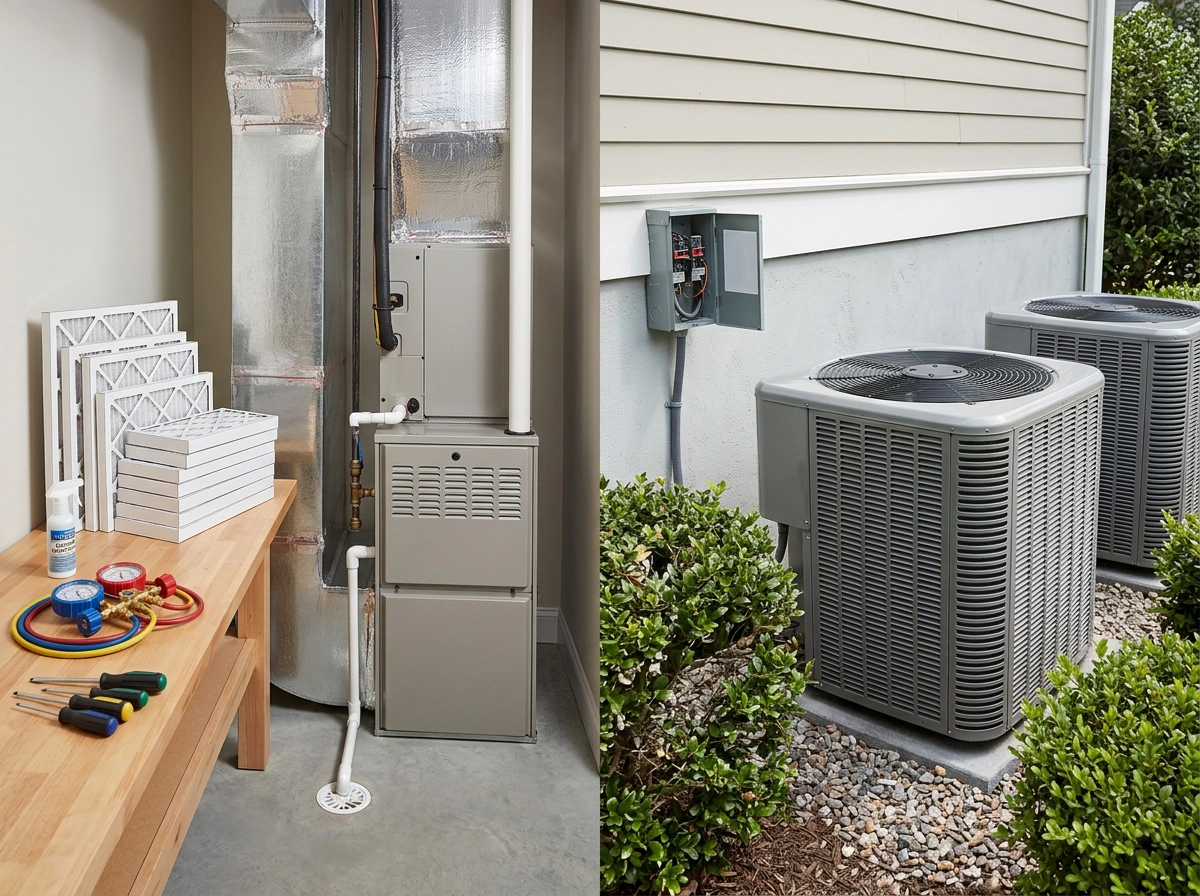
One of the first maintenance checks homeowners should focus on is the air filter. A dirty filter restricts airflow and forces the HVAC system to work harder to circulate cool air throughout the home. Reduced airflow can affect overall cooling performance and place additional strain on important components such as the blower motor and evaporator coil. During summer, this added workload can lead to uneven temperatures, longer cooling cycles, and increased energy consumption. Homes with pets, heavy dust levels, or frequent indoor activity often require more frequent filter replacements because airborne particles build up quickly inside the system. Inspecting the filter monthly during the cooling season helps maintain consistent airflow and supports healthier indoor air quality.
The thermostat should also be checked before summer temperatures begin climbing. Many homeowners assume the thermostat is functioning properly because the system still turns on and off, but inaccurate calibration can create cooling inconsistencies throughout the home. A thermostat that misreads indoor temperatures may cause the system to run longer than necessary or cycle too frequently. Both situations increase wear on HVAC components and reduce efficiency. Programmable and smart thermostats allow homeowners to create temperature schedules that better match daily routines, helping reduce unnecessary system operation during the hottest parts of the day. Verifying thermostat settings and responsiveness before summer arrives helps improve comfort and maintain better control over cooling costs.
The outdoor condenser unit also plays a major role in cooling efficiency during summer. The condenser releases heat removed from indoor air, and proper airflow around the unit is necessary for effective operation. Dirt, grass clippings, leaves, and overgrown vegetation can block airflow and trap heat around the condenser, forcing the system to work harder to cool the home. Homeowners should clear debris from around the unit and maintain adequate space on all sides to support proper ventilation. Cleaning condenser coils can further improve heat transfer and reduce stress on the compressor during periods of heavy summer demand.
Checking refrigerant levels is another important part of preseason HVAC maintenance. Refrigerant allows the system to absorb and transfer heat during the cooling cycle. When refrigerant levels are low, the air conditioner loses efficiency and struggles to maintain indoor comfort. Homeowners may notice weak airflow, warm spots throughout the home, or ice buildup on refrigerant lines. In many cases, low refrigerant levels indicate a leak within the system. Since refrigerant handling requires specialized equipment and certification, this inspection should always be performed by a licensed HVAC technician. Addressing refrigerant issues early helps prevent compressor damage and supports more reliable cooling performance during extreme summer temperatures.
Evaporator and condenser coils should also be inspected and cleaned before the cooling season reaches full demand. These coils handle the heat exchange process that allows the air conditioner to remove heat from indoor air. Over time, dirt and dust collect on coil surfaces and reduce heat transfer efficiency. When coils become dirty, the HVAC system must run longer to achieve the desired indoor temperature. This added strain increases energy use and places more wear on major system components. Dirty evaporator coils can also affect humidity control inside the home, leaving indoor spaces feeling damp and uncomfortable. Professional coil cleaning helps restore cooling efficiency and improve overall system performance.
The condensate drain line is another maintenance item that homeowners often overlook. During normal operation, the HVAC system removes moisture from indoor air and drains it through the condensate line. Dirt, algae, and debris can clog the line over time and prevent proper drainage. When this happens, water may collect around the indoor unit or trigger automatic safety shutoffs designed to protect the system from water damage. Excess moisture inside the home can also contribute to humidity problems and musty odors. Cleaning the condensate drain line before summer helps reduce the risk of water leaks and unnecessary service interruptions during periods of heavy AC use.
Electrical components should also be inspected before summer temperatures place additional strain on the system. Capacitors, contactors, relays, and wiring connections naturally wear down over time. Weak electrical components may continue operating during mild weather but fail once the system begins running for longer periods each day. A failing capacitor can prevent motors from starting properly, while loose wiring connections may cause inconsistent operation or unexpected shutdowns. Professional HVAC inspections include electrical testing that helps identify worn components before they create larger mechanical problems during peak cooling season.
Airflow throughout the home should also be evaluated as part of summer HVAC preparation. Even a well-maintained air conditioner can struggle if airflow restrictions exist inside the duct system. Leaking ducts, blocked vents, or poorly balanced airflow can create uneven temperatures between rooms and reduce overall cooling performance. Restricted airflow forces the system to run longer while still failing to cool the home effectively. Homeowners should inspect supply and return vents to make sure they remain open and unobstructed by furniture, curtains, or rugs. Older homes may also benefit from professional duct inspections to identify hidden leaks that waste conditioned air and increase cooling costs.
Gulf Coast humidity can make homes feel uncomfortable even when temperatures appear normal. Routine HVAC maintenance helps the system manage both cooling and moisture more effectively. Energy efficiency is another major reason homeowners schedule HVAC maintenance before summer arrives. Air conditioners consume more electricity during periods of extreme heat, particularly when dirty filters, clogged coils, or airflow restrictions force the system to work harder than necessary. Even small efficiency losses can increase utility bills significantly over the course of a long summer. Preventive maintenance helps reduce strain on the system, improve cooling performance, and lower operating costs. A clean and properly adjusted HVAC system can maintain indoor comfort more efficiently while reducing unnecessary wear on major components.
Small maintenance issues can quickly become major repairs during peak summer demand. Addressing problems early helps reduce the risk of breakdowns and costly emergency service. Professional tune-ups also allow HVAC technicians to evaluate the overall condition of the system before summer temperatures peak. Airflow measurements, electrical testing, refrigerant inspections, and component evaluations help identify warning signs that homeowners may not notice on their own. Seasonal maintenance supports longer equipment life and helps ensure reliable cooling performance throughout the hottest months of the year.
If your HVAC system has not been inspected recently, now is the ideal time to schedule professional maintenance before summer temperatures rise further. A preseason tune-up can improve efficiency, reduce the risk of breakdowns, and help your home stay comfortable throughout the cooling season. To schedule a service appointment, contact Gulf Coast Heating & AC today.
We are located here:

