

Many homeowners in St. Petersburg focus on their air conditioner when cooling costs begin to rise, but the ductwork often tells a different story. Your ducts are responsible for moving conditioned air from the HVAC system to every room in the home. When airflow is restricted or air escapes through damaged sections, the system must run longer to maintain the desired temperature. That extra runtime can lead to higher utility bills, uneven comfort, and unnecessary strain on HVAC equipment. Recognizing the signs of airflow problems early can help homeowners avoid paying for cooled air that never reaches the rooms where it is needed.
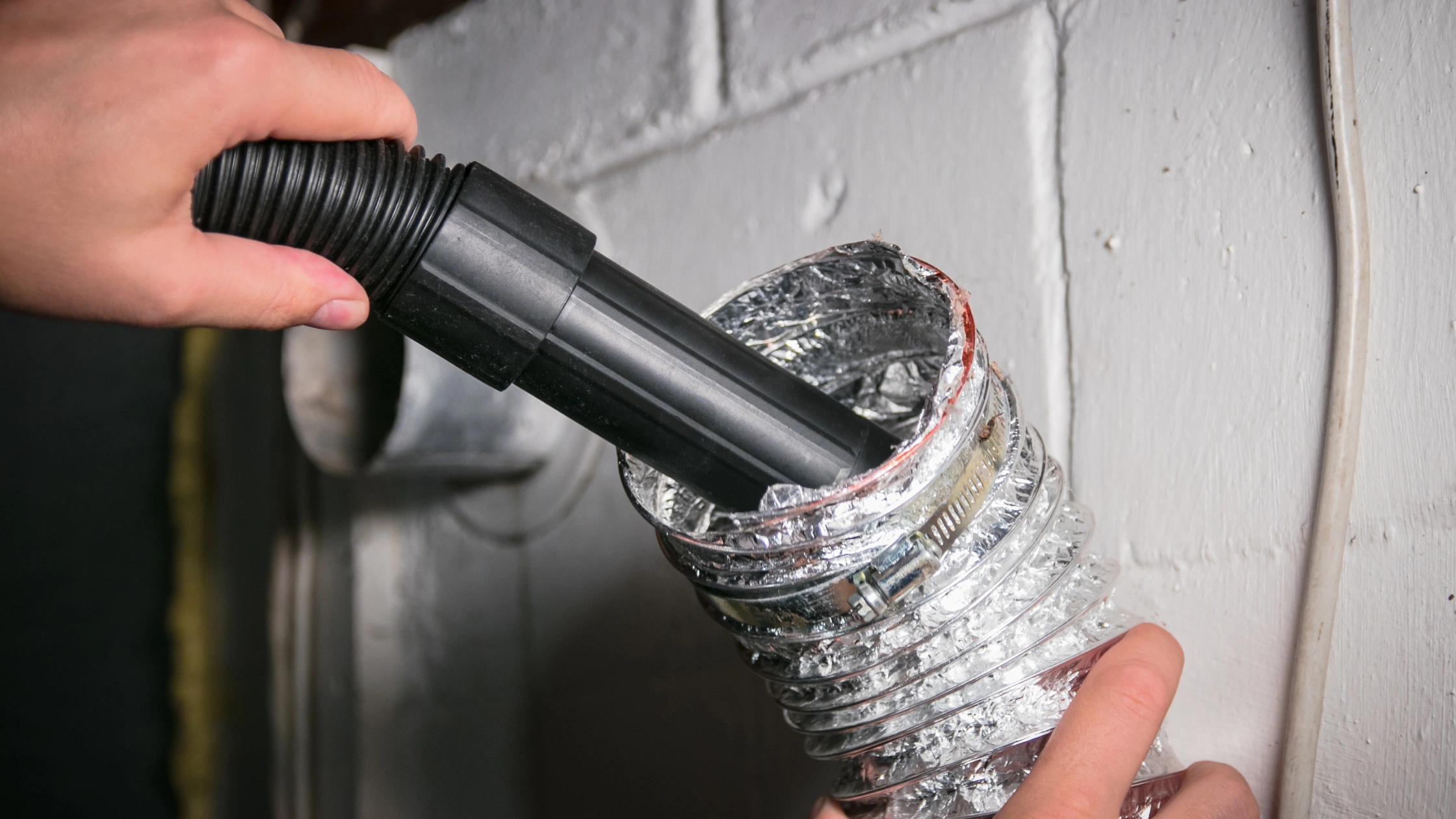
One of the first signs of duct trouble is uneven cooling. A bedroom may feel comfortable while a nearby living room remains noticeably warmer. Many homeowners assume the air conditioner is losing performance, but damaged ductwork is often the real cause. Leaks, disconnected sections, and airflow restrictions can prevent conditioned air from reaching certain parts of the home. As temperatures become inconsistent, homeowners frequently lower the thermostat in an attempt to compensate. The HVAC system responds by running longer, which increases energy consumption.
Weak airflow from supply vents is another warning sign. If air seems to trickle from vents that once delivered strong airflow, there may be a blockage or damaged section somewhere within the duct system. Crushed ducts, deteriorating flexible ductwork, and loose connections can all restrict airflow. Even a high-efficiency air conditioner cannot perform properly if conditioned air cannot move freely through the home.
Rising utility bills often provide one of the clearest indicators that airflow problems are developing. Air that leaks into an attic, crawl space, or wall cavity never reaches the intended living area. The cooling system must produce additional conditioned air to make up for those losses. Over time, this wasted energy can add a significant amount to monthly operating costs. Homeowners may notice the increase gradually, especially during Florida’s long cooling season.
Excess dust inside the home can also point to duct issues. Leaks in return ducts may pull dust, insulation particles, and other airborne debris into the system. These contaminants are then circulated throughout the home each time the HVAC system operates. While dust has many potential sources, a sudden increase can indicate that the duct system is no longer sealed properly.
Humidity concerns may also be connected to airflow problems. St. Petersburg homeowners rely on their cooling systems to help manage indoor moisture levels throughout much of the year. When airflow is reduced, the air conditioner may struggle to remove humidity as efficiently as intended. The result can be a home that feels sticky or uncomfortable, even when the thermostat setting appears correct.
Another common symptom is an HVAC system that seems to run constantly. Longer cooling cycles often occur when conditioned air fails to reach living spaces efficiently. Instead of quickly satisfying the thermostat, the system continues operating in an effort to achieve the desired temperature. The added runtime increases energy use and contributes to wear on system components.
Florida’s climate creates conditions that can accelerate duct deterioration over time. High temperatures in attics, year-round humidity, and seasonal storms all place stress on HVAC systems and the ductwork connected to them. Even well-installed ducts can develop issues after years of operation.
Many homes in the St. Petersburg area contain ductwork located in attics. During the summer months, attic temperatures can become significantly hotter than indoor living spaces. These conditions can affect duct materials, loosen connections, and contribute to insulation degradation. Small leaks that develop in these environments often go unnoticed because the ducts remain hidden from view.
Age is another contributing factor. As homes get older, duct systems naturally experience wear. Flexible ducts can sag, connections can loosen, and support straps may fail. In some cases, homeowners inherit duct systems that have undergone multiple repairs over the years, creating airflow inefficiencies that become more noticeable as equipment ages.
Home renovations can also affect airflow performance. Room additions, layout changes, and HVAC equipment upgrades sometimes alter the balance of the original duct design. A system that once distributed air effectively may struggle to meet the needs of the updated home. Airflow imbalances often appear gradually, making them easy to overlook until comfort problems or high utility bills become impossible to ignore.
Pests can contribute to duct damage as well. Rodents and other animals occasionally find their way into attic spaces and can damage duct insulation or create openings in flexible ductwork. Even small punctures allow conditioned air to escape, reducing overall efficiency.
Because most duct systems remain hidden behind walls, ceilings, or attic insulation, homeowners may not realize a problem exists until symptoms begin affecting comfort and energy costs. By that point, conditioned air may have been escaping for months or even years.
Many homeowners wait until comfort issues become severe before seeking professional help. In reality, the best time to schedule a duct inspection is when early warning signs first appear. Uneven temperatures, weak airflow, unexplained utility bill increases, excessive dust, and longer cooling cycles all warrant a closer look.
Professional HVAC technicians can evaluate airflow throughout the system and identify hidden issues that are difficult to detect without specialized equipment. A thorough inspection may reveal leaking connections, disconnected ducts, crushed sections, inadequate insulation, or other conditions that restrict airflow.
Duct sealing is often one of the most effective solutions. By closing leaks and restoring proper airflow pathways, conditioned air can reach living spaces more efficiently. Homeowners frequently notice improvements in comfort, system performance, and energy usage after repairs are completed.
Some situations require more extensive repairs. Severely damaged duct sections may need replacement to restore proper airflow. In older homes, technicians may recommend upgrades that improve air distribution and help the HVAC system operate more efficiently. The appropriate solution depends on the condition of the existing ductwork and the specific airflow challenges present within the home.
When conditioned air reaches every room as intended, the HVAC system does not have to work as hard to maintain indoor temperatures. That improved efficiency can help lower energy consumption while supporting longer equipment life.
If you’ve noticed uneven cooling, weak airflow, rising utility bills, or other signs that conditioned air may be escaping before it reaches your living spaces, now is the time to take action. Schedule a service with Gulf Coast Heating & AC to identify duct issues, restore proper airflow, and help improve the efficiency of your home’s cooling system.
We are located here:

