

Heat pumps play a major role in keeping Florida homes comfortable throughout the year. Because they provide both heating and cooling, they often operate during every season, accumulating more runtime than many traditional HVAC systems. That constant workload places stress on mechanical and electrical components, making regular maintenance an important part of system care. Homeowners who schedule routine service often experience fewer breakdowns because maintenance helps identify developing issues, improve operating conditions, and reduce unnecessary strain on critical components before they lead to heat pump repair.
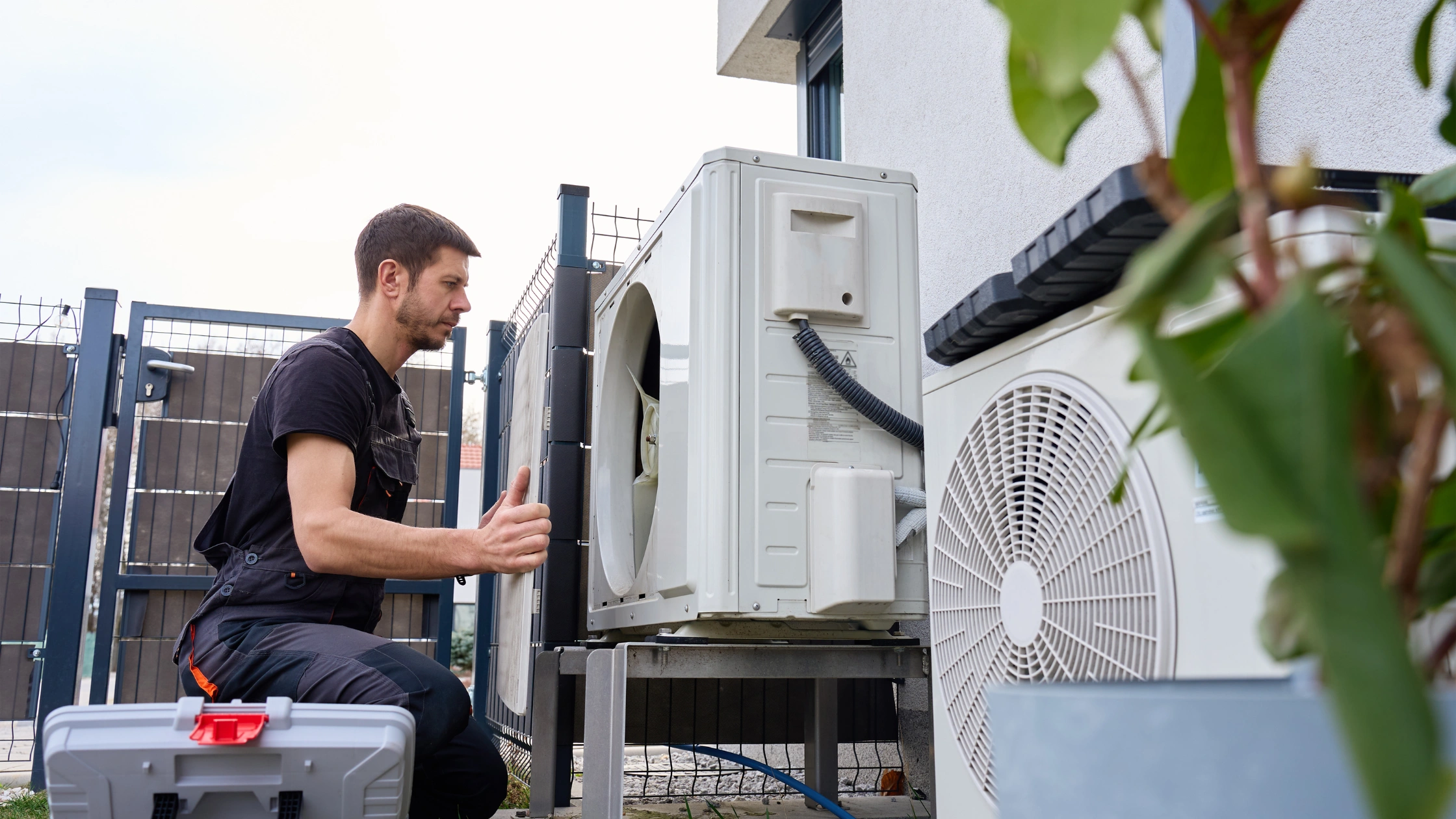
Many heat pump repairs can be traced back to minor issues that gradually become larger problems. A clogged air filter is a common example. When airflow becomes restricted, the blower motor must work harder to move conditioned air throughout the home. Reduced airflow can also affect heat transfer across the indoor coil, forcing the system to run longer cycles to reach the desired temperature. Over time, the additional workload can contribute to premature wear on multiple components.
Dirty evaporator and condenser coils create similar challenges. Heat pumps rely on efficient heat transfer to move heat between indoor and outdoor environments. When dirt, dust, grass clippings, or other debris accumulate on coil surfaces, the system loses efficiency. The compressor must remain active longer to compensate for the reduced performance, increasing operating temperatures, and placing greater stress on the refrigeration system. What begins as a layer of dirt can eventually contribute to component failure if left unaddressed.
Refrigerant-related issues often develop gradually as well. Small leaks may not immediately affect comfort levels, making them difficult for homeowners to detect. As refrigerant levels decline, the heat pump loses its ability to transfer heat efficiently. The compressor may operate under conditions it was not designed to handle, increasing the likelihood of damage. During a maintenance visit, technicians can verify refrigerant levels and look for signs of leakage before the problem reaches the point where repairs become necessary.
Condensate drain systems also deserve attention. During the cooling operation, moisture removed from indoor air travels through a drain line designed to carry water safely away from the equipment. Algae, dirt, and debris can create blockages over time. A clogged drain line can lead to water leaks, property damage, and system shutdowns. Routine maintenance includes inspection and cleaning of drain components, helping prevent issues that may otherwise result in service calls.
Electrical connections are another source of preventable problems. Heat pumps generate vibration during normal operation. As months and years pass, connections can loosen, and electrical components can show signs of wear. A weak capacitor, damaged contactor, or loose wire may cause intermittent operation long before a complete failure occurs. Identifying these issues early allows technicians to make corrections before the system stops working during a period of high demand.
Heat pumps contain several major components that represent a significant portion of the system’s value. Keeping these parts operating under proper conditions helps reduce wear and extend their service life.
The compressor is one of the most important components in any heat pump. Its job is to circulate refrigerant throughout the system, allowing heat transfer to occur. Compressor failures are often associated with issues such as restricted airflow, dirty coils, refrigerant imbalances, or electrical problems. Regular maintenance addresses these conditions before they place excessive strain on the compressor. By maintaining proper operating conditions, technicians help reduce the likelihood of one of the most expensive heat pump repairs a homeowner can face.
Blower motors also benefit from routine service. The blower is responsible for moving conditioned air through the ductwork and into living spaces. Dust accumulation, airflow restrictions, and neglected components can increase the workload on the motor. During maintenance appointments, technicians inspect moving parts, evaluate airflow performance, and identify signs of abnormal wear. These inspections help keep the blower operating efficiently and reduce the risk of unexpected failures.
Outdoor fan motors face constant exposure to weather conditions throughout the year. Florida’s heat, humidity, rain, and airborne debris can affect performance over time. If airflow through the outdoor unit becomes restricted, system efficiency suffers, and operating temperatures can rise. Maintenance visits typically include cleaning around the outdoor unit and confirming that fan components are functioning correctly. Proper airflow helps the heat pump operate within its intended design parameters.
Electrical components also experience less wear when the system receives routine care. Capacitors, relays, contactors, and wiring connections all play essential roles in heat pump operation. Small electrical problems often create larger mechanical consequences. For example, a failing capacitor may prevent motors from starting efficiently, leading to additional stress during every operating cycle. Identifying weakened electrical components before failure occurs can prevent larger repair needs later.
One of the greatest benefits of professional maintenance is the opportunity to identify problems before they become emergencies. Most major heat pump failures do not occur without warning. In many cases, small warning signs appear months before a breakdown. The challenge is that these warning signs are often difficult for homeowners to recognize without specialized training and diagnostic tools.
During a maintenance visit, HVAC technicians perform inspections that go beyond what can be observed during normal system operation. They measure electrical performance, inspect refrigerant pressures, evaluate airflow, examine safety controls, and assess the condition of major components. These evaluations provide valuable insight into how the system is performing and help identify areas that may require attention.
For example, a capacitor may still function while showing measurable signs of deterioration. Replacing that component during a scheduled maintenance visit is far less disruptive than dealing with a system failure during the hottest part of summer. Similarly, identifying a small refrigerant leak early can help prevent compressor damage and avoid significantly higher repair costs.
Heat pump repairs are often more expensive and inconvenient when they occur during peak cooling periods. Emergency service calls may be necessary, comfort levels can suffer, and damaged components may affect other parts of the system. Maintenance helps reduce these risks by identifying potential problems before they escalate into breakdowns that require immediate attention.
Regular maintenance supports reliability because it addresses the factors that commonly lead to repairs. Clean coils, unrestricted airflow, proper refrigerant levels, secure electrical connections, and functional drainage systems all contribute to healthier system operation. When these areas receive consistent attention, the heat pump is better equipped to deliver dependable performance year after year.
Heat pump problems rarely appear overnight. In many cases, the warning signs are present months before a breakdown occurs, but they can only be identified through a thorough inspection and tune-up. Regular maintenance helps catch worn components, airflow restrictions, refrigerant issues, and electrical concerns before they turn into costly repairs.
To keep your system running reliably and reduce the risk of unexpected service calls, schedule a service with Gulf Coast Heating & AC and have your heat pump professionally inspected and maintained.
We are located here:

