

As summer begins to fade and cooler temperatures move closer, many homeowners stop paying attention to their HVAC system after months of nonstop air conditioning use. That transition between seasons is actually one of the most important times for maintenance. An HVAC system that has spent the summer handling heat, humidity, and extended cooling cycles often carries hidden wear that can affect performance later in the year. Taking care of maintenance before colder weather arrives helps improve efficiency, reduce repair risks, and prepare the system for steady heating operation during the months ahead.
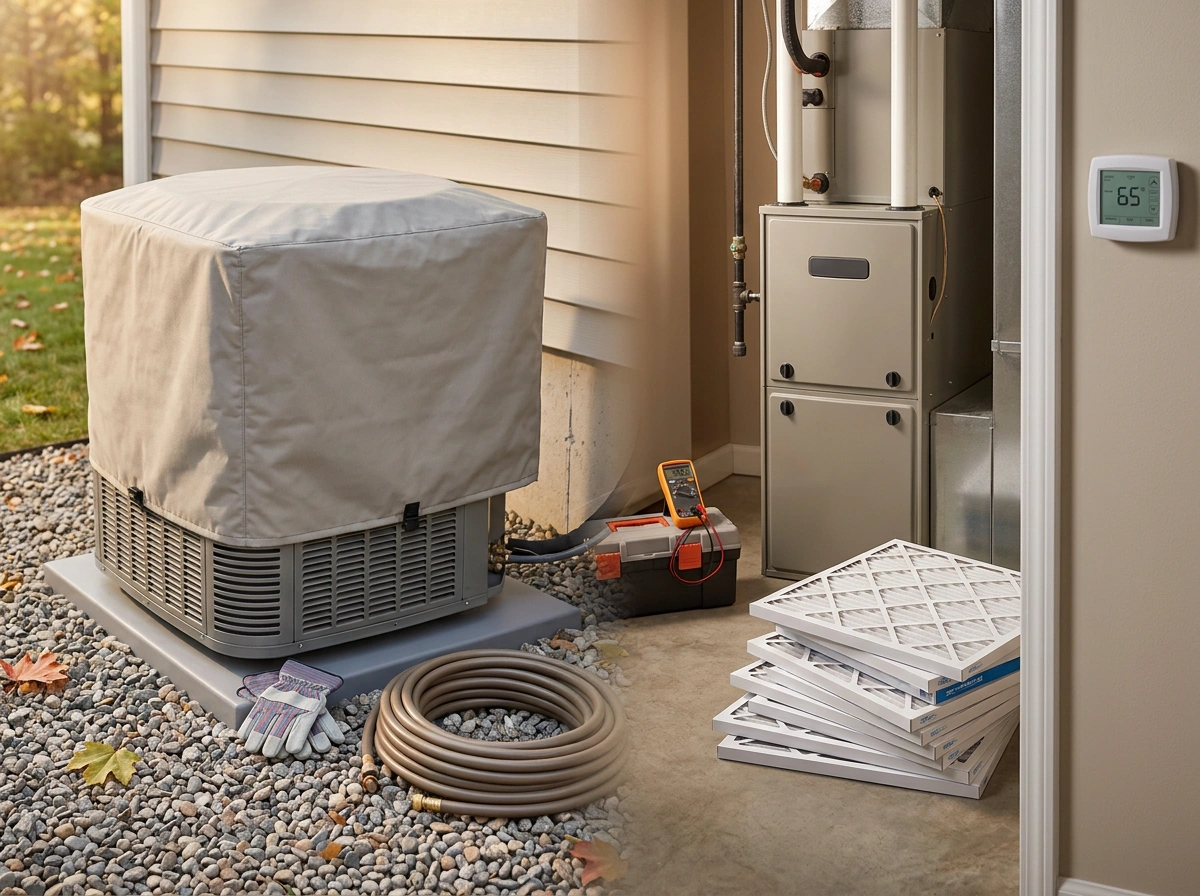
One of the first things homeowners should check before cooler weather arrives is the air filter. During the summer, HVAC systems move a large amount of air through the home every day, and filters collect dust, pollen, pet hair, and other airborne particles along the way. Over time, that buildup restricts airflow and forces the system to work harder to circulate conditioned air. Reduced airflow can increase energy consumption, create uneven temperatures, and place extra strain on blower components. Replacing a dirty filter before heating season begins helps restore proper airflow and gives the system a cleaner starting point for fall and winter operation.
The thermostat should also be tested before switching from cooling to heating mode. Many homeowners change the temperature setting without checking if the thermostat is responding correctly or following updated schedules. A thermostat that cycles improperly can create comfort problems and increase monthly utility costs. Testing the system early allows homeowners to identify issues before colder mornings arrive. Smart and programmable thermostats should also be adjusted to reflect changing household routines and cooler overnight temperatures.
Airflow inside the home deserves attention as well. Supply vents and return registers often become blocked by furniture, rugs, curtains, or storage items during the year. Restricted airflow affects system balance and can lead to uneven heating throughout the home. Cleaning vents and making sure they remain open helps maintain consistent airflow and better indoor comfort. Dust buildup around vents should also be removed since homes tend to stay closed up more often during cooler weather, allowing indoor particles to circulate repeatedly through the HVAC system.
Outdoor HVAC equipment experiences constant exposure to heat, rain, dirt, grass clippings, and storm debris throughout the summer season. Before cooler weather settles in, homeowners should inspect the outdoor unit and clear away leaves, weeds, and debris that may have accumulated around it. Proper airflow around the equipment helps support system efficiency and reduces unnecessary strain on components. It is also a good time to look for signs of visible damage, loose panels, corrosion, or worn insulation around refrigerant lines.
Ductwork inspection is another important part of end-of-season maintenance. Even a well-maintained HVAC system can struggle if conditioned air escapes through leaks or disconnected duct sections. Small gaps inside attics, crawl spaces, or utility areas reduce efficiency and make it harder to maintain stable indoor temperatures. Checking exposed ductwork for loose connections, damaged insulation, or visible air leaks can help improve system performance before heating demand increases. Sealing leaks allows heated air to travel more efficiently throughout the home.
Testing the heating system before the first cold front arrives can help homeowners avoid unexpected problems later in the season. Waiting until outdoor temperatures drop significantly often leads to emergency service calls and uncomfortable indoor conditions. Turning on the heat ahead of time allows homeowners to listen for unusual noises, check airflow strength, and identify odors or delayed startup issues. Furnaces, heat pumps, and hybrid systems all benefit from preseason operation checks. If the system struggles to maintain temperature or produces weak airflow, professional service may be needed before colder weather arrives.
Condensate drain lines should also be inspected during seasonal maintenance. HVAC systems naturally produce condensation during operation, and clogged drain lines can lead to moisture problems around indoor equipment. Standing water inside drain pans may contribute to mold growth, corrosion, or water damage over time. Clearing drain lines and checking for proper drainage helps protect both the HVAC system and the surrounding areas from preventable issues.
Electrical components and moving parts experience wear throughout months of heavy HVAC operation. Vibrations during normal system use can loosen electrical connections or contribute to wear on motors, belts, and capacitors. These issues may not create immediate problems, but they can gradually affect system reliability and efficiency heading into colder weather. Professional maintenance inspections often include tightening electrical connections, checking motor performance, and identifying worn components before they fail under heavier heating demand.
Indoor air quality often becomes more noticeable during cooler months when homes stay closed longer. Seasonal maintenance helps improve filtration and humidity control. Heat pumps require careful attention during seasonal transitions because they operate year-round. Systems that cool the home during summer must shift efficiently into heating mode as temperatures begin to fall. Refrigerant levels, reversing valves, airflow performance, and defrost controls all influence how well a heat pump performs during cooler weather. Maintenance inspections help confirm that the system can handle the seasonal transition without unnecessary strain or efficiency loss.
Energy efficiency remains one of the main reasons homeowners schedule HVAC maintenance before colder weather arrives. Heating systems often account for a significant portion of winter energy use, especially when equipment struggles with dirty filters, restricted airflow, or worn components. Small efficiency losses may not seem noticeable during mild temperatures, but they can quickly increase monthly heating costs during colder periods. Preventive maintenance helps improve overall system performance while reducing unnecessary energy consumption.
Uneven temperatures, weak airflow, unusual noises, and rising energy bills may signal developing HVAC problems that should be addressed before colder weather arrives. Preparing an HVAC system before cooler weather arrives helps homeowners stay ahead of breakdowns, improve indoor comfort, and support better efficiency throughout the season. Systems that receive attention between seasons often perform more consistently and operate with less strain during periods of heavier heating demand. For homeowners looking to avoid costly surprises and maintain reliable comfort, end-of-season HVAC maintenance remains one of the most valuable steps they can take before temperatures begin to drop.
Before colder weather settles in, scheduling professional maintenance can help keep your system operating efficiently and reduce the chance of unexpected repairs during the heating season. Our experienced team at Gulf Coast Heating & AC can inspect your equipment, identify hidden issues, and prepare your HVAC system for dependable performance throughout the months ahead.
We are located here:

