

Florida homeowners replacing aging HVAC equipment often find themselves comparing two very different options: replacing an existing furnace or investing in a heat pump system. The decision carries long-term implications for energy costs, comfort, maintenance, and system performance. Unlike northern states, where heating demands dominate much of the year, Florida’s climate creates a unique set of priorities. Long cooling seasons, high humidity levels, and relatively mild winters shift the conversation away from heating capacity alone and toward overall efficiency and year-round operation. Understanding how furnace replacement compares to heat pump replacement in Florida can help homeowners make a practical investment that supports comfort and operating costs for years to come.
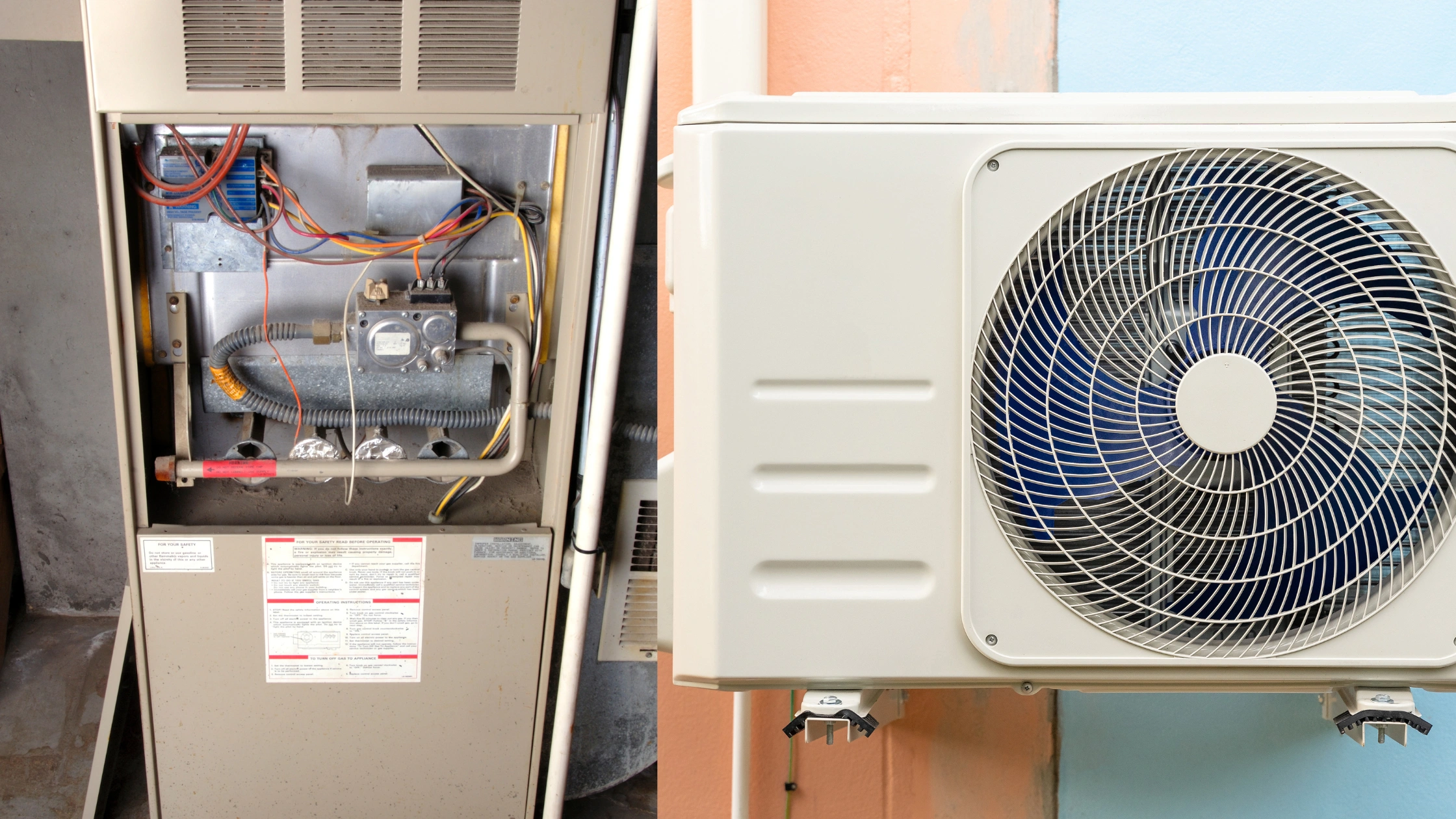
A furnace and a heat pump accomplish the same goal during heating season, but they operate in very different ways. A furnace generates heat through combustion or electric resistance heating and then distributes that heat throughout the home using ductwork. Because a furnace only provides heating, it must work alongside a separate air conditioning system to cool the home during warmer months.
A heat pump uses a different process. Instead of creating heat, it transfers heat from one location to another. During cooler weather, it extracts heat from the outdoor air and moves it indoors. During warmer weather, it reverses the process and functions as an air conditioner by removing heat from inside the home. As a result, a single heat pump system can provide both heating and cooling.
The replacement process also differs depending on the equipment already installed in the home. Homeowners replacing an older furnace may simply install a newer furnace if the existing air conditioner remains in good condition. In other situations, both heating and cooling equipment may be nearing the end of their service life. That scenario often opens the door to a complete heat pump replacement that consolidates heating and cooling into one system.
Efficiency is another major point of comparison. Electric furnaces convert electricity directly into heat, while heat pumps move existing heat from one location to another. Because transferring heat requires less energy than creating it, heat pumps generally operate more efficiently in climates where outdoor temperatures remain relatively moderate. This operating principle has made heat pumps increasingly popular across regions with mild winters, including much of Florida.
Climate is one of the most important factors in any HVAC replacement decision. In many parts of the country, homeowners rely on their heating systems for several months each year. Furnaces thrive in those environments because they can produce high levels of heat during prolonged periods of freezing weather.
Florida presents a different situation. Most homeowners spend far more time cooling their homes than heating them. Summer temperatures regularly climb into the upper ranges, while humidity remains a year-round concern. Winter temperatures are generally mild, with only occasional cold fronts creating short-term heating demand.
These conditions favor heat pump technology. Since heat pumps operate efficiently in moderate winter temperatures, they can typically handle Florida’s heating requirements without difficulty. Homeowners gain the added benefit of having a single system responsible for both heating and cooling throughout the year.
Humidity control also deserves attention during the replacement process. Florida homeowners often focus on temperature, but indoor humidity has a major impact on comfort. Excess humidity can make indoor spaces feel warmer than they actually are and may contribute to indoor air quality concerns. Modern heat pumps are designed to manage cooling and dehumidification simultaneously, helping maintain more comfortable indoor conditions.
Energy costs represent another factor that frequently pushes homeowners toward heat pump replacement. Because cooling accounts for a substantial portion of annual HVAC operation in Florida, installing a high-efficiency heat pump can improve overall energy performance throughout the year. The efficiency benefits extend beyond heating season and influence monthly utility bills during the long cooling season as well.
Natural gas availability can influence the discussion, but it is not always a deciding factor in Florida. Some neighborhoods have convenient access to natural gas service, while others do not. For homes without existing gas infrastructure, installing a new gas furnace may require additional work that increases project costs. In those situations, a heat pump often presents a simpler replacement path.
The best replacement choice depends on more than climate alone. Homeowners should evaluate their existing equipment, energy costs, budget, and long-term plans for the property before making a final decision.
A furnace replacement may make sense when the home already has a relatively new air conditioning system that continues to perform efficiently. Replacing only the heating component can reduce upfront costs while extending the life of the overall HVAC system. This approach can be especially practical when the existing cooling equipment still has several years of reliable service remaining.
A heat pump replacement often becomes more attractive when both the furnace and air conditioner are aging. Replacing both systems at the same time can improve efficiency, simplify maintenance, and provide consistent performance throughout the year. Homeowners planning to remain in their homes for many years often appreciate the long-term energy savings associated with modern heat pump technology.
Repair history should also influence the decision. Equipment that requires frequent repairs may indicate broader system wear. Replacing a furnace while leaving behind an aging air conditioner could result in additional repair expenses later. Looking at the condition of the entire HVAC system helps homeowners avoid short-term decisions that create long-term costs.
Installation quality remains critical regardless of which system is selected. Proper equipment sizing, ductwork evaluation, airflow balancing, and commissioning procedures all contribute to long-term performance. Even the most efficient furnace or heat pump can struggle if installation practices are overlooked.
For many Florida homes, the conversation frequently leans toward heat pump replacement because the technology aligns naturally with the state’s climate. The ability to provide efficient cooling, reliable heating, and effective humidity control through a single system creates a compelling case. That does not mean furnace replacement is always the wrong choice. Existing infrastructure, equipment condition, and financial considerations can still make a furnace replacement the better fit for certain properties.
If you are comparing furnace replacement and heat pump replacement, a professional evaluation can provide valuable insight into energy efficiency, operating costs, and long-term performance expectations. Schedule a service with Gulf Coast Heating & AC to assess your current system and determine which replacement option makes the most sense for your Florida home.
We are located here:

