

Summer in Florida places heavy demands on home cooling systems. Long periods of heat, heavy humidity, and intense afternoon sun can keep an air conditioner running for hours each day. For many households, that leads to higher utility bills during the hottest months of the year. Lowering those costs does not always require expensive upgrades or large home projects. In many cases, the best savings come from improving system performance, reducing wasted energy, and making practical changes that support efficient cooling.
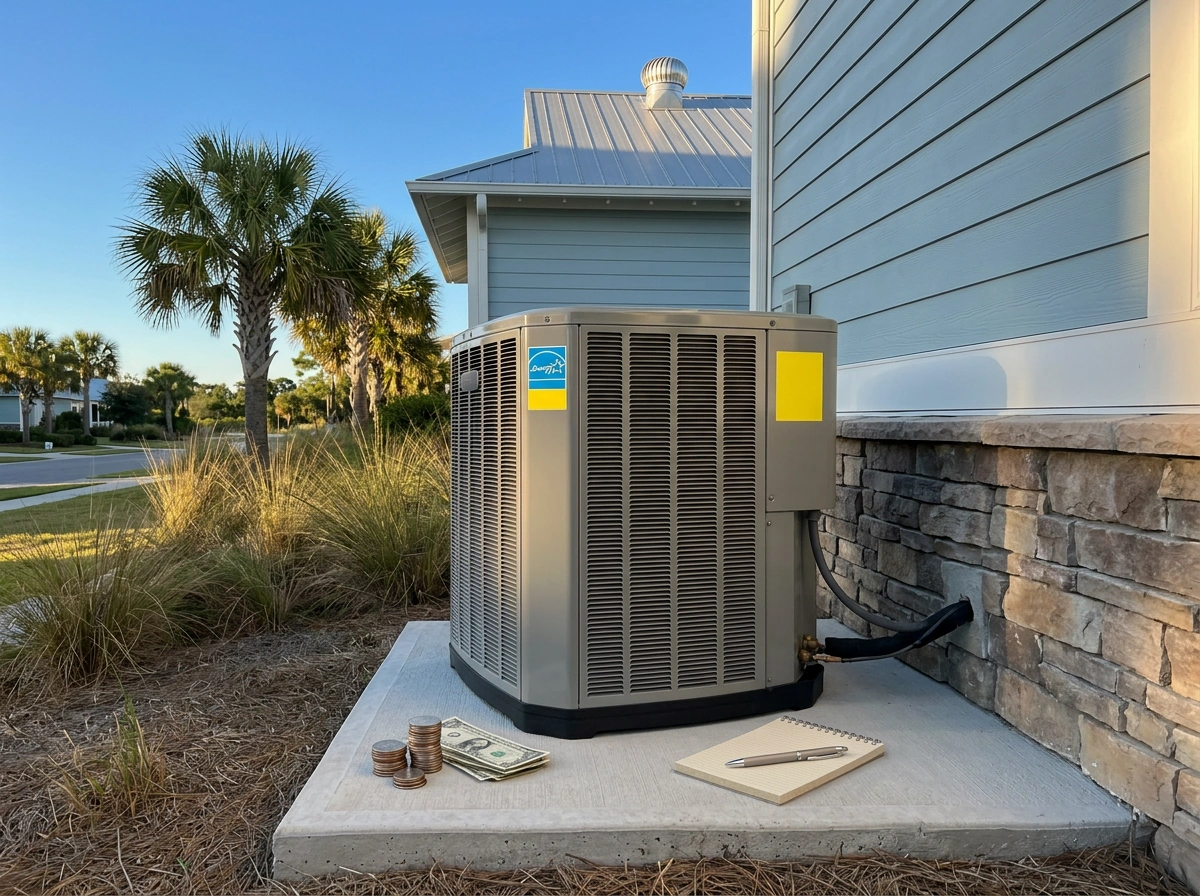
Routine maintenance remains one of the most effective ways to control cooling costs. Air conditioners rely on strong airflow and clean surfaces to transfer heat efficiently. When filters become clogged, coils collect dirt, or blower components are covered with dust, the system must run longer to remove the same amount of heat from the home. Extra runtime increases wear on parts and raises monthly energy use. Replacing the air filter on schedule is one of the easiest ways to protect performance. Homes with pets, renovation dust, or heavy daily activity may need more frequent filter checks. Professional maintenance provides additional value by inspecting refrigerant levels, electrical components, condensate drainage, motors, and controls. Small adjustments made during a service visit often prevent the gradual efficiency loss that many homeowners do not notice until their bill arrives.
Thermostat habits also have a direct impact on summer energy use. Many homeowners lower the setting well below their comfort target because they believe the house will cool faster. Most residential systems cool at a steady rate, so a lower setting mainly causes the unit to run longer. That added runtime increases energy use without improving results. A steady and realistic temperature setting usually works better. Programmable and smart thermostats help by adjusting temperatures automatically when the home is empty or when occupants are asleep. Even modest schedule changes can create savings over the course of a season. The goal is not to make the house warm. It is to avoid cooling an empty home more than necessary.
Humidity control is another major factor in Florida comfort. Indoor air that feels damp often causes people to lower the thermostat even when the actual temperature is acceptable. The result is higher cooling costs driven by moisture rather than heat alone. A properly operating air conditioner should remove humidity during normal cycles. Dirty coils, poor airflow, oversized equipment, or short cycling can interfere with that process. When the system runs in short bursts, it may satisfy the thermostat before enough moisture is removed. That can leave the home cool but uncomfortable. Correcting airflow issues, cleaning components, and confirming proper sizing can improve comfort while reducing the need to overcool the space.
Air leaks around the home can quietly increase cooling bills. Gaps around doors, windows, attic access points, plumbing penetrations, and recessed fixtures allow conditioned air to escape while hot outdoor air moves inside. The air conditioner must then cool a larger load than necessary. Sealing those openings helps the system keep up with less effort. Weatherstripping and caulking are common solutions, and attic air sealing often delivers strong results in older homes. Insulation is just as important. If attic insulation has settled or fallen below recommended levels, heat enters the living space more quickly and increases runtime during the hottest parts of the day.
Ductwork also deserves close attention because it carries cooled air throughout the house. If ducts leak, sag, disconnect, or lack insulation, a significant amount of conditioned air can be lost before it reaches occupied rooms. This is especially common in attics, where surrounding temperatures can become extreme. Poor duct design can also create weak airflow in certain areas, leading to hot spots and uneven comfort. Many homeowners assume the air conditioner itself is the problem when the real issue is air distribution. A professional duct inspection can reveal opportunities for sealing, balancing, repair, or redesign that improve comfort and efficiency.
Ceiling fans can help lower cooling costs when used correctly. Fans do not lower the room temperature, but they help people feel cooler by moving air across the skin. That added comfort may allow a slightly higher thermostat setting without sacrificing comfort. The savings come from reduced air conditioner runtime rather than the fan cooling the room itself. Fans should be turned off when rooms are empty because they benefit occupants, not unoccupied spaces.
Sunlight entering through windows can create a surprising amount of indoor heat. Rooms with strong afternoon exposure often feel warmer for this reason. Blinds, curtains, shades, and reflective window treatments can reduce solar heat gain and ease the load on the cooling system. Exterior shading from trees, awnings, or covered patios can help as well. These measures are especially useful on west-facing windows that receive intense late-day sun during summer.
Daily household routines also affect cooling demand. Ovens, clothes dryers, dishwashers, and older light bulbs release heat indoors. Running those appliances during cooler morning or evening hours can lessen the strain on the air conditioner. Exhaust fans in kitchens and bathrooms help remove heat and moisture created by cooking and bathing. No single habit change will transform a utility bill overnight, but several small improvements working together often produce noticeable results.
System age is another important part of the equation. Older units may still cool the home, but they often do so less efficiently than newer equipment. Years of operation can reduce performance through worn motors, aging controls, coil deterioration, and declining component reliability. If repair visits are becoming more frequent or energy costs continue to rise despite regular maintenance, it may be time to compare the long-term cost of repairs with replacement. Modern systems can offer improved efficiency, steadier temperatures, and better humidity control when properly selected and installed.
Homeowners should also watch for signs of hidden inefficiency. Longer run cycles, uneven room temperatures, weak airflow, excess humidity, ice on refrigerant lines, unusual sounds, or a sudden increase in electric bills can all indicate the need for service. Many performance issues develop gradually, which makes them easy to overlook. Addressing problems early is often less expensive than waiting for a midsummer breakdown.
Lower cooling bills come from a complete approach to home comfort. Maintenance, thermostat settings, duct performance, insulation, humidity control, and everyday habits all influence how much energy a system uses. When these parts work together, the home feels better, and monthly costs become easier to manage.
If your cooling costs keep rising, now is a smart time to have your system evaluated. Gulf Coast Heating & AC can identify efficiency problems, recommend practical improvements, and help you get better performance from your home comfort system. Schedule a service today and start the summer with lower cooling costs and greater peace of mind.
We are located here:

