

In Florida, an old air conditioner usually gives warning signs long before it quits. Many homeowners brush those signs aside as normal summer strain, a temporary issue, or the cost of living in a hot climate. Because cooling systems in Florida operate for long stretches of the year, wear develops faster than it does in cooler regions. Constant heat, heavy humidity, coastal salt exposure, and extended daily run times all place stress on motors, coils, compressors, electrical parts, and drainage components. By the time a system stops working, the underlying problems have often been building for months or even years. Knowing what to watch for can help you avoid sudden breakdowns, rising expenses, and uncomfortable days without reliable cooling.
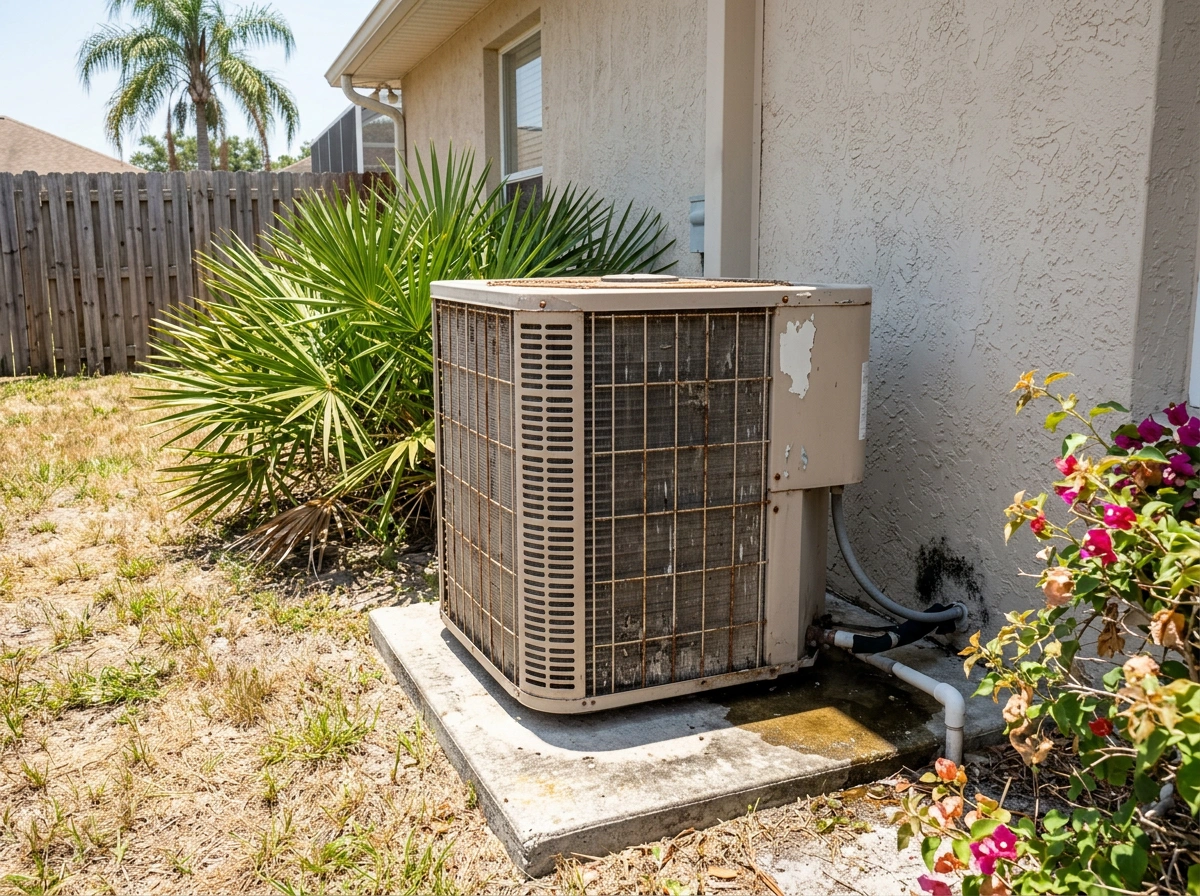
One of the clearest warning signs is a steady drop in performance. This change often happens gradually, which is why it gets overlooked. The home may take longer to cool, some rooms may stay warmer than others, or the thermostat may remain at the same setting while comfort keeps slipping. Many homeowners respond by lowering the thermostat or running fans, assuming the unit is simply getting older. In many cases, those adjustments point to declining capacity. Worn components, restricted airflow, dirty coils, and compressor fatigue can all reduce cooling output. If the system runs longer while delivering less comfort, replacement may be the better long-term decision.
Humidity problems are another major clue, especially in Florida homes. A properly functioning air conditioner should remove moisture while it cools. When that process weakens, indoor air can feel sticky even when the temperature seems acceptable. You may notice damp air, condensation on windows, musty smells, or bedding and furniture that never feel fully dry. Some homeowners blame the weather and assume nothing can be done. Often, the cooling system is no longer managing moisture effectively. That can happen when equipment is aging, improperly sized, or cycling incorrectly. If humidity remains high after maintenance or repairs, replacement deserves serious consideration.
Energy bills often reveal the issue before the equipment does. If utility costs keep rising without major changes in household habits, the air conditioner may be working harder to do the same job. Older systems lose efficiency as parts wear down. Motors draw more power, coils transfer heat less effectively, and compressors run longer to meet thermostat demand. A unit that still starts every day can quietly become expensive to operate. Many homeowners focus only on repair bills, but wasted energy can be just as costly over time. In some cases, replacing the system lowers total ownership costs sooner than expected.
Frequent repairs are one of the strongest signs that replacement should be considered. An occasional service call is normal during the life of any HVAC system. Repeated failures are different. If the unit needs a capacitor this season, a blower repair next season, and refrigerant work after that, the pattern matters. Each repair may seem manageable on its own, but repeated spending adds up quickly. It also creates uncertainty every time temperatures rise. In Florida, dependable cooling is essential during peak summer heat. A system that breaks down regularly is often nearing the end of its useful life.
Age still matters, even when the unit appears to be running. Many central air conditioners begin showing meaningful decline after around 10 to 15 years, especially in demanding climates. Some last longer with a strong maintenance history, but older equipment carries more risk. Parts may be harder to source, efficiency standards may be outdated, and hidden wear can surface with little warning. Homeowners sometimes assume that if the system starts and blows cool air, it should stay in service indefinitely. That decision can become costly when an older unit fails during the hottest week of the year, and replacement must happen under pressure.
Strange sounds are another warning sign that gets ignored too often. Every system makes normal operating noise, but new rattling, grinding, squealing, buzzing, or banging should not be treated as harmless background sound. These noises can point to loose hardware, failing bearings, damaged fan parts, electrical trouble, or compressor strain. Sometimes a repair solves the issue quickly. In an older system with several other symptoms, unusual noise may be part of a broader decline. If the unit has become louder over time, it is worth asking if repairs are solving the cause or only delaying replacement.
Short cycling is also a problem many homeowners overlook. This happens when the system turns on, runs briefly, shuts off, and starts again sooner than it should. The home may still cool somewhat, so the issue can be easy to ignore. Short cycling increases wear, wastes energy, and often leads to poor humidity control. Causes range from thermostat faults to airflow restrictions, refrigerant problems, and sizing issues. When an older system begins cycling this way, it can be a sign that the equipment is struggling to operate properly.
Weak airflow deserves attention as well. If the air coming from supply vents feels reduced, rooms can become uncomfortable even while the system is running nonstop. Dirty filters are one possible cause, but they are far from the only one. Blower problems, duct leakage, coil buildup, and aging motors can all limit airflow. Many homeowners get used to closing doors, adjusting vents, or avoiding certain rooms instead of addressing the real issue. When airflow problems keep returning, replacement may offer a more lasting solution than repeated temporary fixes.
Refrigerant issues can also shift the repair versus replacement decision. A sealed system should not lose refrigerant under normal conditions. A low charge usually means there is a leak somewhere in the system. Some leaks can be repaired, but repeated refrigerant loss in older equipment often becomes expensive and frustrating. If the unit also has declining performance, higher bills, or compressor stress, continued repairs may not deliver strong value. A replacement system can restore reliability and cooling capacity without repeated recharges and recurring service calls.
Waiting for total failure often creates the most stress and the fewest options. Recognizing the signs early gives you time to compare choices, plan your budget, and schedule work before an emergency forces the decision. If your current system is struggling to keep up, costing more to run, or needing frequent repairs, schedule an assessment with Gulf Coast Heating & AC and request a quote for a replacement plan built for your home.
We are located here:

