

For businesses that rely on refrigeration every day, product loss is more than an occasional setback. It can affect profitability, disrupt operations, create unnecessary waste, and damage customer confidence. From fresh produce and dairy products to frozen goods, prepared foods, beverages, and other temperature-sensitive inventory, refrigeration equipment serves as a critical line of defense against spoilage. When that equipment is not properly maintained, even minor performance issues can lead to costly consequences. Many refrigeration failures do not happen without warning. Instead, they develop gradually as components wear down, airflow becomes restricted, temperatures become inconsistent, or mechanical issues go unnoticed. Business owners and facility managers are often focused on serving customers, managing staff, and handling daily operations, making it easy for small refrigeration problems to remain hidden until inventory is already at risk. This is why preventive maintenance plays such an important role in protecting products and supporting reliable business operations. Along the Gulf Coast, refrigeration systems often face additional demands due to extended periods of warm weather and high humidity. Equipment frequently runs longer and works harder to maintain proper storage temperatures. Over time, that additional workload can place stress on critical components, making routine maintenance even more important for local businesses that depend on consistent refrigeration performance throughout the year.
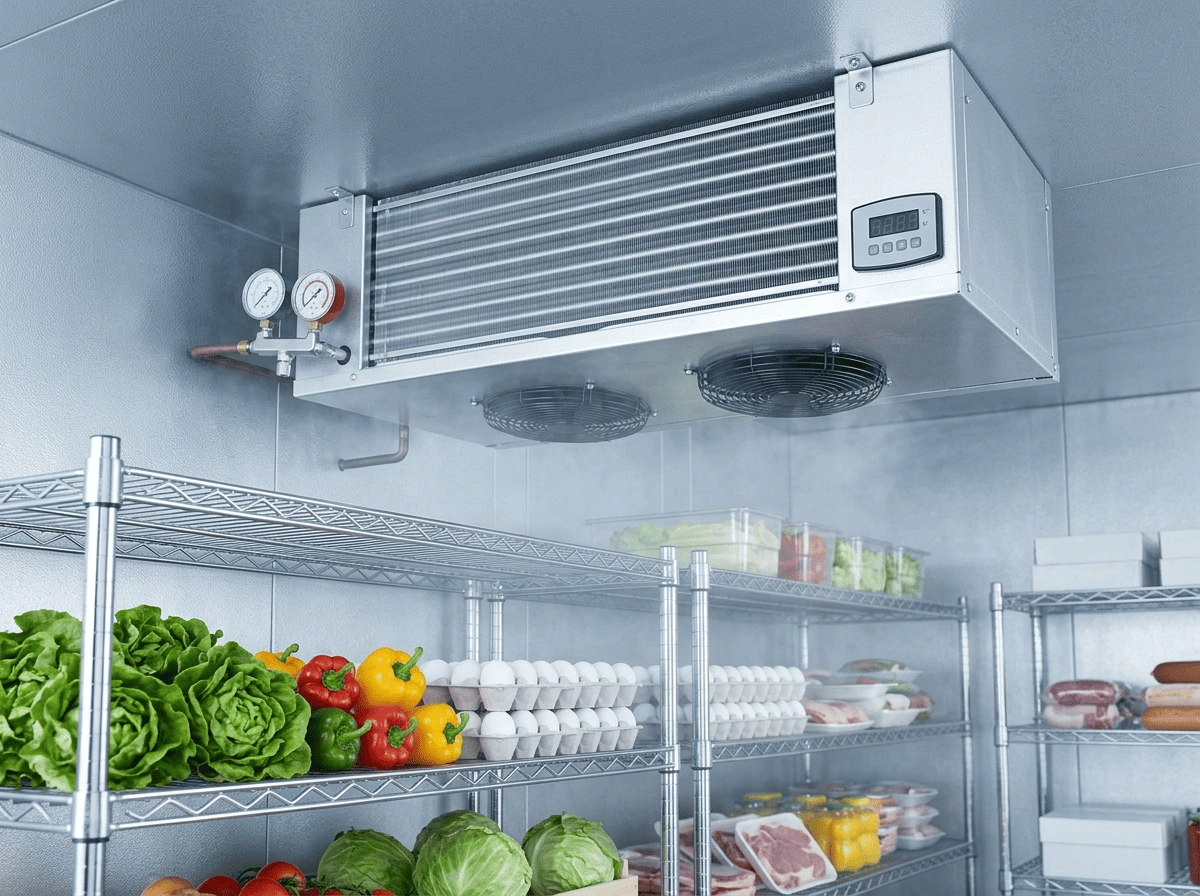
One of the biggest challenges with refrigeration equipment is that performance issues are not always obvious. A walk-in cooler may still feel cold enough when employees enter, yet temperature fluctuations could be occurring throughout the day. A display case may continue operating while struggling to maintain safe product temperatures. In many cases, inventory quality begins to decline before anyone realizes there is a problem.
Temperature consistency is essential for preserving product quality and safety. Perishable goods often require specific storage conditions to maintain freshness and shelf life. Even brief periods outside recommended temperature ranges can accelerate spoilage and increase the likelihood of product loss. For businesses that manage large amounts of inventory, a single refrigeration issue can result in substantial financial losses.
Dirty condenser coils are a common example of a small problem with potentially large consequences. As dust, dirt, grease, and debris accumulate on the coils, the system becomes less efficient at releasing heat. This forces the equipment to work harder to maintain temperatures, increasing energy consumption and placing additional strain on other components. Left unaddressed, this extra stress can contribute to premature equipment failure and create conditions that threaten stored inventory.
Refrigerant leaks can create similar challenges. Even a minor leak can affect cooling performance, causing longer run times and uneven temperatures throughout the refrigerated space. Because refrigerant issues often develop slowly, businesses may not notice a problem until cooling capacity has already been compromised. Routine maintenance inspections help identify these concerns before they have a chance to impact products.
Door seals and gaskets also deserve attention. Every time a refrigeration unit is opened and closed, these components help maintain a stable environment inside. When seals become worn, cracked, or loose, warm air can enter the unit while cooled air escapes. The result is an increased workload for the system and greater difficulty maintaining consistent temperatures. Replacing damaged seals is a simple maintenance task that can help prevent larger refrigeration problems down the road.
A well-maintained refrigeration system does more than protect inventory. It also operates more efficiently and experiences fewer unexpected breakdowns. Preventive maintenance allows technicians to evaluate system performance, inspect critical components, clean essential parts, and identify developing issues before they become major repairs.
The compressor is one of the most important components within a refrigeration system. Responsible for circulating refrigerant and supporting the cooling cycle, the compressor operates continuously and endures significant wear over time. When maintenance is neglected, excessive strain on the compressor can shorten its lifespan and increase the likelihood of failure. Because compressor repairs or replacements can be costly, protecting this component through routine maintenance provides both operational and financial benefits.
Preventive maintenance also helps improve airflow throughout refrigeration equipment. Blocked evaporator coils, clogged filters, and debris buildup can restrict airflow and reduce cooling effectiveness. When airflow is compromised, temperatures may become uneven, and equipment efficiency can decline. Regular cleaning and inspection help ensure the system performs as intended while maintaining proper product storage conditions.
Energy efficiency is another valuable benefit of routine refrigeration maintenance. Systems that operate efficiently require less energy to achieve desired temperatures. While product protection remains the primary objective, reducing unnecessary energy consumption can help businesses control operating costs over time. When equipment runs smoothly, businesses benefit from both reliable refrigeration performance and lower utility expenses.
Maintenance appointments also provide an opportunity to evaluate overall equipment condition. Technicians can identify worn belts, aging components, loose electrical connections, and other issues that may eventually lead to service interruptions. Addressing these concerns proactively is often far less disruptive and less expensive than responding to an emergency breakdown.
Preventing product loss requires more than responding to equipment failures after they occur. The most successful businesses take a proactive approach to refrigeration management by treating maintenance as an ongoing part of their operational strategy.
For restaurants, grocery stores, convenience stores, healthcare facilities, and other commercial operations, refrigeration reliability directly affects daily performance. Employees can focus on serving customers and managing inventory with confidence when they know refrigeration systems are functioning properly. Business owners gain peace of mind knowing that products are being stored under appropriate conditions and that the risk of unexpected losses has been reduced.
Seasonal maintenance is particularly valuable for businesses along the Gulf Coast. Before periods of extreme heat arrive, refrigeration systems should be inspected and serviced to ensure they are prepared for increased demand. Identifying potential issues early helps reduce the likelihood of mid-season failures when equipment is under the greatest stress.
A structured maintenance program also supports compliance with food safety and storage requirements. Businesses that handle perishable products often must maintain specific temperature standards to protect inventory quality and meet regulatory expectations. Consistent maintenance helps ensure refrigeration equipment remains capable of meeting those requirements throughout the year.
Ultimately, refrigeration maintenance is an investment in product protection. The cost of preventive service is often minor compared to the financial impact of spoiled inventory, emergency repairs, lost revenue, and operational disruptions. By addressing small issues before they become major problems, businesses can create a more reliable environment for both their products and their customers.
When refrigeration systems receive the attention they need, businesses are better positioned to maintain quality standards, control operating costs, and avoid unnecessary product loss. Reliable refrigeration supports every part of the operation, from inventory management to customer satisfaction, making preventive maintenance one of the most practical steps a business can take to protect its bottom line.
If your business depends on refrigeration to protect valuable inventory, Gulf Coast HVAC can help. Our experienced team provides professional refrigeration maintenance services designed to improve system performance, identify potential problems early, and reduce the risk of costly product loss. Contact us at Gulf Coast HVAC today to learn how a proactive maintenance program can help safeguard your inventory, improve reliability, and keep your operation running smoothly year-round.
We are located here:

