

In Pinellas Park, air conditioning systems operate under conditions that place continuous demand on equipment. Long cooling seasons, high humidity levels, and extended run times all contribute to gradual system wear. When performance starts to decline, homeowners are often faced with an important decision: continue repairing the system or invest in a full replacement. This decision affects not only immediate expenses but also long-term comfort, efficiency, and reliability. A careful evaluation of system condition, performance trends, and cost factors is essential to making the right choice.
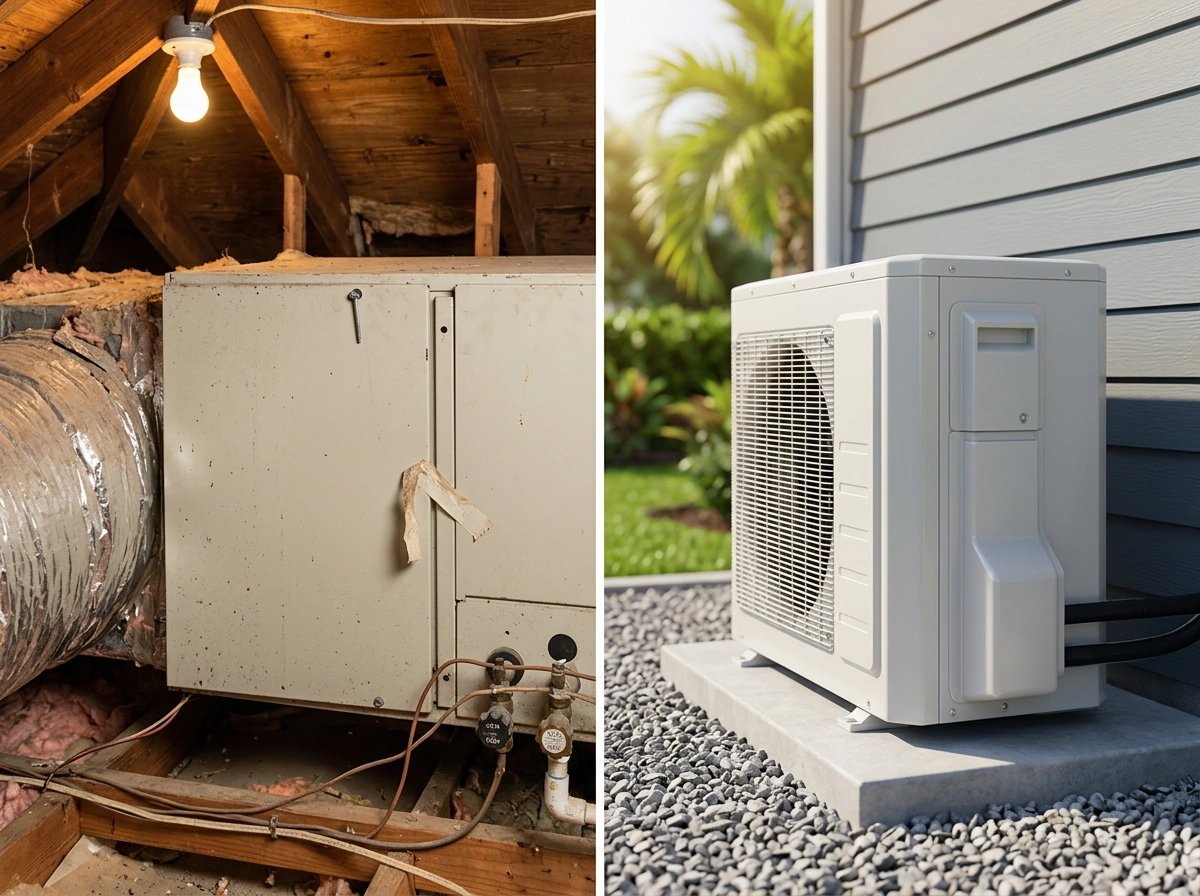
System age remains one of the clearest indicators when deciding between repair and replacement. Most central air conditioning systems are built to perform effectively for about 10 to 15 years under normal conditions. In a climate like Pinellas Park, that lifespan can shorten slightly due to heavy usage. As systems move beyond the 10-year range, internal components begin to lose efficiency. Compressors, fan motors, and coils experience wear that reduces overall performance. Even when the system continues to run, it often requires longer cycles to maintain indoor temperatures, which increases energy use and mechanical strain.
Repair history also provides valuable insight. An occasional repair does not signal the need for replacement. However, repeated service calls over a short period indicate that the system is beginning to break down at multiple points. Costs can rise quickly as different components fail one after another. A commonly used guideline in the HVAC industry involves multiplying the age of the system by the repair cost. When that number exceeds 5,000, replacement often becomes the more practical option. This approach helps homeowners avoid investing in a system that no longer delivers consistent performance.
Energy efficiency is a major factor in this decision, especially in an area where air conditioning runs for much of the year. Older systems typically operate with lower SEER ratings compared to modern units. Systems installed years ago may have ratings in the single digits or low teens, while current models are designed to meet higher efficiency standards. Improved efficiency reduces energy consumption, shortens cooling cycles, and lowers utility costs over time. Homeowners who notice rising energy bills without a change in usage should consider the possibility that their system is no longer operating efficiently.
Comfort and performance consistency are equally important. An aging system may still produce cool air, but it can struggle to distribute it evenly. Uneven temperatures between rooms, longer cooling cycles, and difficulty maintaining thermostat settings are common signs of declining performance. These issues often point to reduced system capacity rather than a single faulty component. While repairs may offer temporary relief, they rarely restore full system capability. Newer systems are designed to adjust output based on demand, which allows for more stable indoor temperatures and improved comfort.
Indoor air quality and humidity control also play a role. Air conditioning systems help regulate moisture levels in addition to cooling the air. As systems age, their ability to remove humidity can decline. This can lead to a damp indoor environment, which may encourage mold growth and reduce overall comfort. Modern systems are engineered to manage humidity more effectively, often through longer and more controlled cooling cycles. For homeowners dealing with persistent indoor moisture, replacement can provide a noticeable improvement.
Refrigerant type is another technical factor that should not be overlooked. Older systems that rely on R-22 refrigerant face increasing challenges due to limited availability and higher costs. If such a system develops a leak or requires a recharge, repair expenses can rise significantly. In many cases, replacing the system with one that uses current refrigerant standards is the more practical solution.
Major component failures often influence the final decision. The compressor, for example, is one of the most critical and expensive parts of an air conditioning system. Replacing it in a newer unit may be reasonable, but in an older system, the cost can approach that of a new installation. The same applies to evaporator and condenser coils. When multiple high-cost components begin to fail, continued repairs may no longer provide lasting value.
Advancements in HVAC technology have also changed what homeowners can expect from a new system. Modern units offer quieter operation, improved airflow design, and compatibility with smart controls that allow for more precise temperature management. These features contribute to better comfort and more efficient operation. Older systems can still perform basic cooling functions, but they lack the adaptability and control found in newer models.
From a financial standpoint, the decision often involves comparing short-term savings with long-term benefits. Repairs typically require a smaller initial investment, which can be appealing. However, repeated repairs and higher energy costs can add up over time. A new system involves a larger upfront expense, but it provides consistent performance, improved efficiency, and fewer unexpected breakdowns. For many homeowners, this level of reliability is worth the investment.
A detailed inspection by a qualified HVAC professional is one of the most effective ways to approach this decision. A thorough evaluation can identify worn components, measure system efficiency, and highlight issues that may not be immediately visible. This information allows homeowners to make a decision based on actual system conditions rather than guesswork.
Making the right call between repair and replacement starts with understanding how your system is performing today and what it will realistically deliver in the years ahead. Gulf Coast Heating & AC in Pinellas Park, FL, provides clear system evaluations based on real operating conditions, helping homeowners weigh repair costs against long-term efficiency and reliability. Request a quote today to get a straightforward recommendation that supports lasting comfort and smarter system investment.
We are located here:

