

Strange noises coming from an HVAC system often begin subtly. A faint rattle during startup, a buzzing sound near the outdoor unit, or a squeal that lasts a few seconds before airflow settles can seem harmless at first. Many homeowners continue using the system because it still cools or heats the home properly. Over time, though, these sounds usually become louder and more frequent. In the HVAC industry, unusual noise is one of the clearest signs that a system is dealing with a maintenance issue that requires attention. Compressors, fans, motors, and ductwork all produce normal operating sounds, but experienced HVAC technicians can quickly recognize when those sounds change. Homeowners who pay attention to these warning signs often avoid larger repairs because the issue gets diagnosed before major components fail.
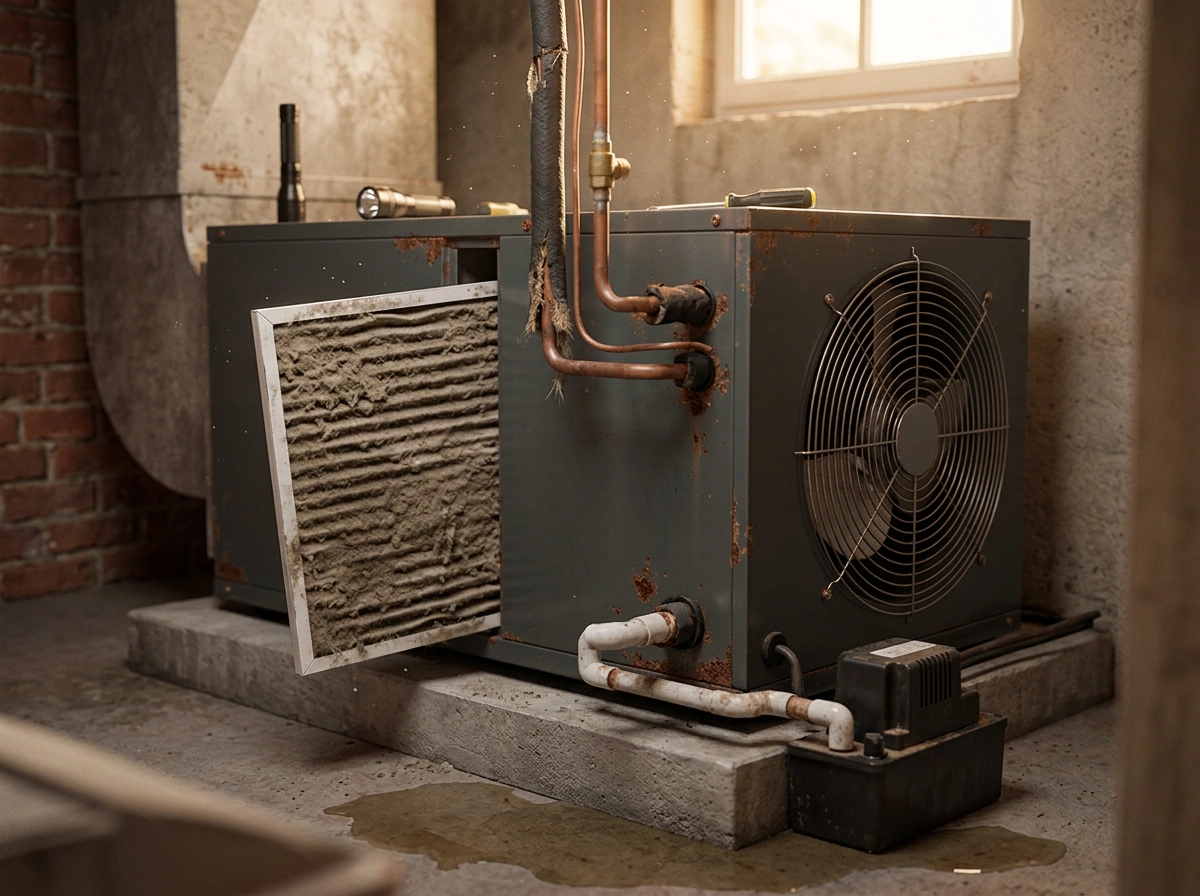
Rattling noises are one of the most common complaints during HVAC service calls. In many situations, the problem begins with loose screws, unsecured panels, or debris trapped inside the outdoor condenser unit. Constant vibration and heavy seasonal usage gradually loosen hardware over time. What begins as a small vibration can eventually damage nearby components if ignored. Technicians regularly discover loose fan mounts, vibrating refrigerant lines, and disconnected duct sections during routine inspections. These issues affect system stability and airflow long before the equipment stops working completely.
Banging sounds usually indicate a more serious problem inside the system. A loud metallic clank can point to damaged motor mounts, loose blower components, or internal compressor failure. When blower assemblies become unbalanced, the vibration places additional strain on surrounding parts and the motor itself. Compressors can also develop internal mechanical damage that creates knocking or hammering sounds during operation. Problems like these rarely improve on their own. Continued operation often increases repair costs because damaged components begin affecting other parts of the system.
High-pitched squealing sounds are commonly connected to motor problems. Older HVAC systems that use belt-driven motors may squeal when belts wear down or lose alignment. In newer systems, worn motor bearings are often responsible for screeching noises. Friction increases as bearings deteriorate, forcing the motor to work harder to maintain airflow. Once lubrication breaks down, overheating becomes a serious concern. During maintenance appointments, technicians inspect motor performance, airflow resistance, and blower wheel balance to identify these problems before the motor fails entirely.
Buzzing noises can come from either electrical or mechanical issues. Loose wiring connections, damaged contactors, failing capacitors, and vibrating refrigerant lines are all possible causes. Some homeowners hear buzzing near the outdoor condenser, while others notice it around the indoor air handler or electrical panel. Electrical issues should never be ignored because overheating connections can damage sensitive components and create safety concerns. HVAC technicians routinely inspect voltage readings, tighten electrical terminals, and test capacitors during preventive maintenance because small electrical problems tend to worsen quickly during periods of heavy system use.
Clicking sounds often confuse homeowners because some clicking is completely normal. Thermostats, relays, and control boards naturally click as the system cycles on and off. The concern begins when the clicking becomes repetitive or the system struggles to start after the sound occurs. Rapid clicking may point to a failing relay, capacitor problem, or ignition issue. Air conditioning systems sometimes click repeatedly when the compressor has difficulty starting. Heating systems can also produce persistent clicking when ignition components fail to light consistently. Problems like these often lead to short cycling, poor efficiency, and eventually complete system shutdown if left unresolved.
Whistling noises usually involve airflow restrictions somewhere within the HVAC system. Dirty air filters are one of the leading causes. When airflow becomes restricted, static pressure increases inside the ductwork, forcing air through narrow openings and creating a noticeable whistle near vents or return grilles. Many homeowners underestimate the amount of strain a clogged filter places on the entire system. Restricted airflow reduces cooling performance, increases energy consumption, and forces blower motors to work harder than intended. Leaky ductwork can also create hissing or whistling sounds as conditioned air escapes through gaps or disconnected joints. In larger homes, these leaks can significantly reduce comfort and efficiency.
Hissing sounds deserve immediate attention because they may indicate refrigerant leaks. Refrigerant escaping through small openings can create a faint hissing sound near coils, refrigerant lines, or service valves. Low refrigerant levels place additional strain on the compressor and reduce cooling performance throughout the home. Ice buildup on evaporator coils, weak airflow, and longer cooling cycles often appear alongside refrigerant leaks. These issues require professional diagnosis because refrigerant pressures must remain within manufacturer specifications for proper operation and long-term system reliability.
Grinding noises often signal advanced mechanical wear. When bearings fail or metal components begin rubbing against each other, the sound becomes difficult to ignore. Grinding inside blower motors or fan assemblies usually means the system has been operating under stress for an extended period. Continued operation under these conditions can cause severe damage to motors and rotating parts. Technicians frequently recommend shutting the system down until repairs are completed to prevent total component failure.
Ductwork itself can also produce unusual sounds. Popping and booming noises sometimes occur as metal ducts expand and contract during temperature changes. Some expansion noise is normal, especially during extreme weather conditions, but loud or repetitive popping may point to airflow problems or excessive static pressure inside the duct system. Undersized ductwork, blocked vents, or restricted filters force the blower to push harder against airflow resistance. Over time, these pressure imbalances place additional strain on the HVAC equipment and reduce overall performance.
Many unusual HVAC noises develop because of neglected maintenance issues such as dirty coils, worn fan blades, or loose electrical connections. Seasonal maintenance helps identify these issues early because technicians inspect the entire system under controlled conditions. During a professional tune-up, moving parts are checked for wear, electrical systems are tested, airflow readings are evaluated, and refrigerant levels are verified. Drain lines are cleaned, filters are replaced, and loose hardware is secured before vibration creates more expensive problems. These inspections help homeowners avoid emergency breakdowns during periods of peak heating and cooling demand.
Modern HVAC systems operate much more quietly than older equipment, which makes unusual noises easier to identify. Variable-speed motors, improved insulation, and advanced compressor technology have reduced normal operating sound levels significantly. When a newer system suddenly develops rattling, buzzing, or grinding noises, the change often points to a maintenance issue that should not be ignored. Experienced HVAC professionals rely heavily on sound during diagnostics because many developing problems reveal themselves before major performance issues appear.
Homeowners who stay proactive with HVAC maintenance usually experience fewer unexpected repairs and more consistent indoor comfort throughout the year. Clean airflow, balanced operation, and properly maintained electrical components all contribute to quieter and more reliable system performance. Paying attention to unusual noises helps protect the HVAC system from avoidable damage while maintaining energy efficiency and comfort levels inside the home.
If your HVAC system has started making unfamiliar noises, scheduling professional service early can help prevent larger mechanical problems later. Gulf Coast Heating & AC can inspect the system, identify the source of the noise, and perform the maintenance needed to restore reliable operation before the issue becomes more expensive to repair.
We are located here:

