

Most homeowners know that an HVAC system will not last forever. Yet when an aging unit continues to run, even if it struggles occasionally, it is easy to convince yourself that replacement can wait another year. After all, if the air conditioner is still cooling and the heater still works when needed, replacing the system may seem like an unnecessary expense. What many homeowners do not realize is that waiting too long to replace an aging HVAC system often costs more than they expect. The expense is not always obvious because it builds gradually over time. Higher utility bills, repeated repairs, declining comfort, and unexpected breakdowns can quietly drain a household budget long before the system finally stops working. By the time many homeowners decide to replace their equipment, they have already spent far more than they realize trying to keep an outdated system running. Along the Gulf Coast, where air conditioning systems work hard for much of the year, these hidden costs can add up even faster. Long cooling seasons, high humidity levels, and constant demand place significant strain on HVAC equipment. Understanding the true cost of delaying replacement can help homeowners make smarter decisions about their comfort and their finances.
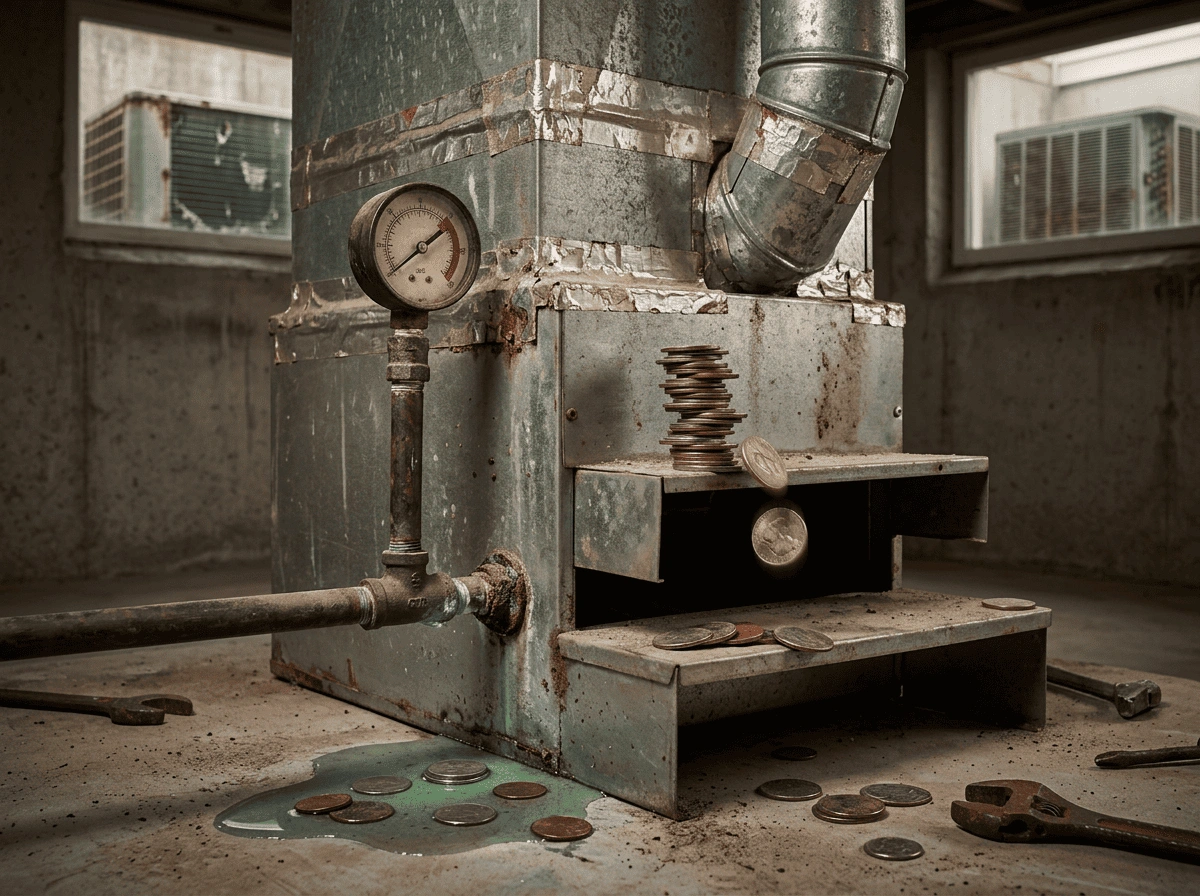
One of the most common hidden costs of delaying HVAC replacement is increased energy consumption. HVAC systems naturally lose efficiency as they age. Components wear down, moving parts experience additional strain, and the system must work harder to achieve the same indoor temperature it once maintained with ease.
The change is usually gradual. Most homeowners do not wake up one morning to find that their utility bill has doubled overnight. Instead, they notice small increases month after month and often assume that higher energy costs are simply part of rising utility rates or changing weather conditions.
An aging HVAC system frequently runs longer cycles to keep up with household demands. The longer it runs, the more energy it consumes. In Gulf Coast communities where air conditioners may operate for extended periods throughout much of the year, even a modest loss in efficiency can translate into hundreds of dollars in unnecessary energy expenses annually.
The frustrating part is that many homeowners continue paying these increased operating costs without realizing their HVAC system is the source of the problem. Over several years, those extra utility expenses can represent a substantial amount of money that could have been invested in a newer, more efficient system.
Energy waste also impacts daily comfort. Older systems often struggle to maintain consistent temperatures throughout the home. Some rooms may feel too warm while others become overly cool. Homeowners frequently compensate by adjusting thermostat settings, causing the system to work even harder and driving energy costs even higher.
What starts as a seemingly harmless decision to postpone replacement can quietly become an ongoing financial burden that repeats every month.
Repair costs are often the reason homeowners delay replacement in the first place. When faced with the choice between a repair bill and a full system replacement, repairing the existing equipment may appear to be the more affordable option.
The problem is that aging HVAC systems rarely require only one repair.
As equipment reaches the later stages of its lifespan, component failures tend to become more frequent. A capacitor may fail one season, followed by a blower motor the next. Then a control board issue appears, followed by refrigerant-related concerns or compressor problems. Each repair may seem manageable on its own, but the cumulative cost can become significant over time.
Many homeowners fall into a cycle of investing in repeated repairs because each service call feels less expensive than replacement. Unfortunately, every repair only extends the life of aging equipment that is likely to continue experiencing problems.
There is also the inconvenience factor that often gets overlooked. Scheduling service appointments, dealing with unexpected system failures, and worrying about if the HVAC system will make it through another summer creates stress that many homeowners underestimate. The financial cost of repairs is easy to calculate. The frustration and disruption caused by recurring breakdowns are harder to measure but equally important.
Emergency repairs can be especially costly. HVAC systems have a tendency to fail when they are working the hardest, often during periods of extreme heat. Losing air conditioning during a Gulf Coast summer can quickly turn into a major disruption for the entire household. Emergency service calls, temporary accommodations, or missed work can create expenses that homeowners rarely consider when deciding to postpone replacement.
At some point, continuing to repair an aging system stops being a cost-saving measure and becomes an expensive way to delay an inevitable replacement.
The hidden costs of delaying HVAC replacement extend beyond utility bills and repair invoices. Older systems often have a direct impact on everyday comfort inside the home.
Many homeowners become accustomed to uneven temperatures, excess humidity, and rooms that never seem to feel quite right. Because these issues develop gradually, they often go unnoticed until a new system is installed and the difference becomes obvious.
Humidity control is particularly important along the Gulf Coast. Excess indoor humidity can make temperatures feel warmer than they actually are, causing homeowners to lower thermostat settings in an attempt to stay comfortable. The result is increased energy consumption and additional strain on an already aging system.
Indoor air quality can also suffer when HVAC equipment reaches the end of its service life. Reduced airflow, declining performance, and aging components can make it more difficult for the system to effectively circulate and filter indoor air. Dust, allergens, and other airborne particles may become more noticeable throughout the home.
While homeowners often focus on the fact that the system is still producing cool air, they may overlook the fact that overall performance has declined in ways that affect daily living. Comfort is not simply about temperature. It includes humidity control, air circulation, and maintaining a healthy indoor environment.
Another hidden cost involves property value. Potential homebuyers often pay close attention to the age and condition of major mechanical systems. An HVAC system nearing the end of its lifespan can become a concern during the sales process, particularly if replacement appears imminent. A newer system provides reassurance to prospective buyers and can eliminate one major question mark when evaluating a home.
Perhaps the highest hidden cost of all is losing the ability to plan. Homeowners who replace their HVAC systems proactively have time to evaluate options, compare equipment, discuss financing opportunities, and schedule installation at their convenience. Those who wait until complete system failure are often forced to make quick decisions under stressful circumstances.
A sudden breakdown removes flexibility. Instead of carefully considering available solutions, homeowners may find themselves making a rushed replacement decision because their family needs immediate cooling or heating. That pressure can turn an already significant expense into an even more stressful experience.
The reality is that delaying HVAC replacement rarely saves as much money as homeowners expect. The costs simply appear in different forms—higher utility bills, recurring repairs, reduced comfort, emergency service calls, and increased stress. While an aging system may continue operating for a period of time, the hidden expenses often continue accumulating in the background.
For homeowners throughout the Gulf Coast region, recognizing these hidden costs can help prevent unnecessary expenses and improve long-term comfort. Replacing an aging HVAC system before it reaches the point of constant repairs and declining performance is often the most practical financial decision. Rather than continuing to invest in equipment that is becoming less reliable every year, homeowners can benefit from greater efficiency, improved comfort, and the confidence that comes with dependable heating and cooling.
If your HVAC system is showing signs of age, struggling to maintain comfort, or requiring increasingly frequent repairs, Gulf Coast HVAC can help you evaluate your options. Our experienced team can assess your current equipment, answer your questions, and recommend solutions that fit your home’s needs and budget. Contact Gulf Coast HVAC today to schedule an inspection and learn if replacing your aging HVAC system could save you money, improve comfort, and help you avoid the hidden costs that come with waiting too long.
We are located here:

