

Uneven cooling is one of the most common signs that an HVAC system is no longer operating at peak performance. Many homeowners notice it during the hottest months of the year when one room feels cool and comfortable while another stays warm and humid for hours. Upstairs bedrooms may trap heat long into the evening, while downstairs areas feel colder than necessary. Weak airflow from certain vents, rising energy bills, and longer cooling cycles often appear alongside these temperature differences. In many cases, uneven cooling develops because airflow has become restricted, components have lost efficiency, or the system has not received proper maintenance. Regular HVAC service helps correct these issues by improving airflow, restoring cooling performance, and keeping indoor temperatures more balanced throughout the home.
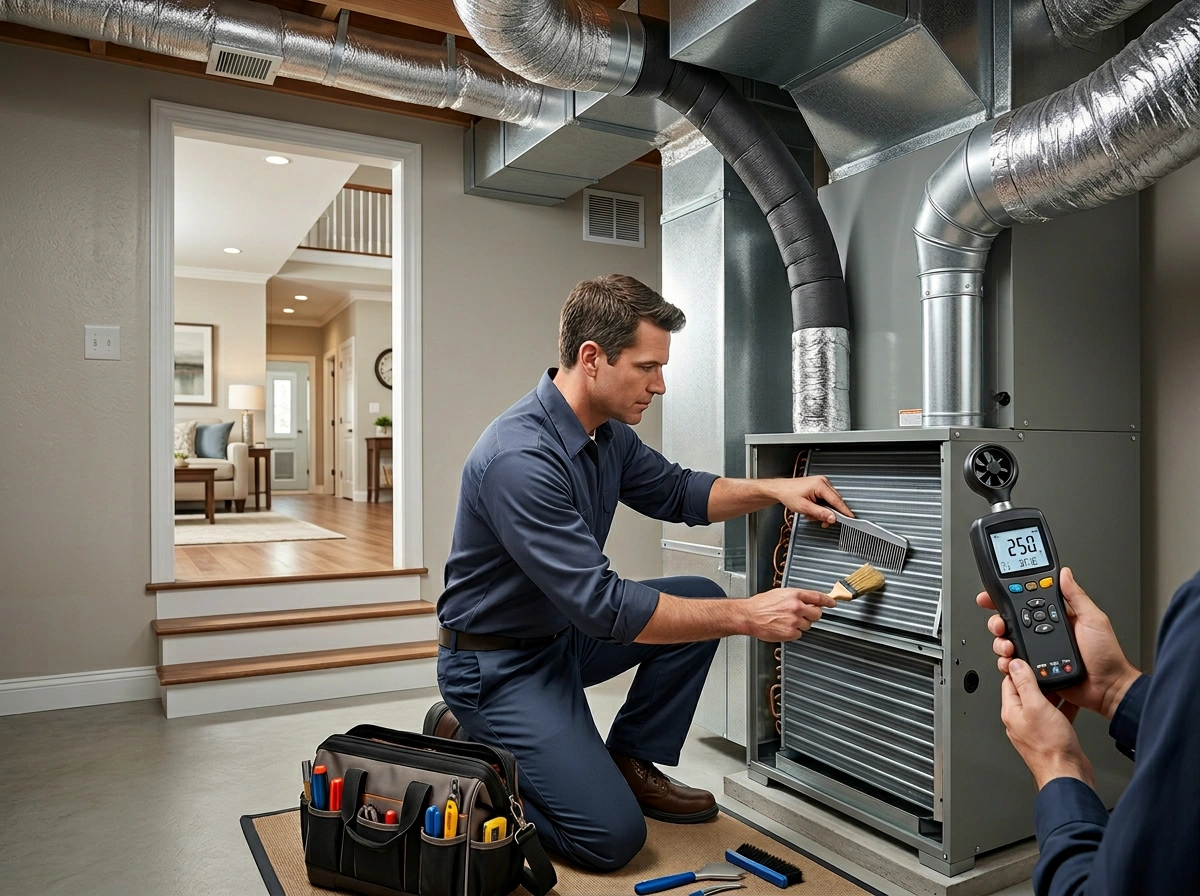
Airflow problems are one of the leading causes of uneven cooling. Every HVAC system depends on proper airflow to move conditioned air evenly from room to room. When airflow weakens, rooms farther from the air handler often become harder to cool. One of the most common causes is a dirty air filter. Over time, filters collect dust, pet hair, pollen, and debris. As the buildup increases, less air can pass through the system. This restriction changes the pressure inside the ductwork and reduces the amount of cooled air reaching certain areas of the house.
Many homeowners lower the thermostat when some rooms remain warm, but that does not solve the real problem. The HVAC system simply runs longer while airflow restrictions continue to limit cooling performance. Extended run times place additional strain on major components and increase energy usage at the same time.
Routine HVAC maintenance helps prevent these airflow issues before they affect indoor comfort. During maintenance visits, technicians inspect air filters, test blower performance, and measure airflow throughout the system. Replacing a clogged filter can immediately improve temperature consistency in many homes. Properties with pets, heavy foot traffic, or high dust levels may require more frequent filter inspections to maintain proper airflow during the cooling season.
Dirty evaporator coils can create similar problems. The evaporator coil absorbs heat from indoor air as it passes through the HVAC system. As dust and debris collect on the coil surface, heat transfer becomes less efficient. Cooling performance gradually declines, and airflow may weaken as the system struggles to keep up with demand. Some rooms may continue cooling normally while others become increasingly uncomfortable. Cleaning evaporator coils during regular maintenance helps restore cooling efficiency and supports balanced airflow throughout the home.
Blocked vents also contribute to uneven cooling more often than homeowners realize. Furniture, rugs, curtains, and dust buildup can interfere with air circulation. Some homeowners close vents in unused rooms, hoping to reduce energy costs, but this can create pressure imbalances inside the duct system. HVAC systems are designed to distribute air across a connected network. Restricting airflow in one area can reduce cooling performance somewhere else in the house.
Professional maintenance appointments include inspecting supply and return vents to ensure air moves properly throughout the home. Small airflow adjustments sometimes produce significant improvements in comfort. Technicians may also identify opportunities for vent cleaning or duct balancing that help stabilize indoor temperatures.
Ductwork problems are another major source of uneven cooling. Conditioned air travels through ducts before reaching each room in the home. If those ducts develop leaks, disconnected sections, crushed areas, or insulation damage, cooled air escapes before arriving at its destination. In many homes, duct issues remain hidden for years because they develop gradually in attics, crawl spaces, or behind walls.
As cooled air escapes from damaged ducts, the HVAC system runs longer cycles trying to maintain the thermostat setting. Some rooms receive enough airflow to stay comfortable, while others struggle to cool down. Homeowners often notice certain rooms becoming warmer during the hottest parts of the day, even though the system appears to run constantly.
Routine maintenance inspections often uncover duct problems that would otherwise go unnoticed. Technicians may identify loose connections, poor insulation, or airflow imbalances affecting certain sections of the home. Correcting these issues can improve both comfort and energy efficiency. Rooms that once felt impossible to cool may begin maintaining steady temperatures once airflow is restored properly.
Refrigerant levels also influence cooling consistency. Refrigerant absorbs heat from indoor air and transfers it outside through the cooling cycle. When refrigerant levels drop because of leaks or wear within the system, cooling performance declines. The HVAC system may struggle to maintain the thermostat setting during periods of extreme heat. Some rooms cool slowly while others never seem to reach the desired temperature.
Low refrigerant levels also increase stress on the compressor, which can lead to more expensive mechanical problems if the issue continues unchecked. Maintenance visits allow HVAC technicians to inspect refrigerant pressure, monitor system performance, and identify leaks before cooling problems become more severe.
Thermostat issues can also create uneven temperatures inside the home. A thermostat installed near direct sunlight, kitchen appliances, or supply vents may register inaccurate temperature readings. As a result, the HVAC system may cycle on and off at the wrong times. Some rooms may become too cold while others remain warm because the thermostat does not accurately reflect the overall temperature of the house.
During routine maintenance, technicians verify thermostat calibration and placement to ensure accurate system operation. In some cases, upgrading to a programmable or smart thermostat improves indoor comfort by offering more precise temperature control. Homes with persistent temperature differences between floors or living areas may also benefit from zoning solutions that allow separate cooling control for different sections of the home.
As HVAC systems age, cooling performance naturally changes. Blower motors lose efficiency, electrical parts wear down, and airflow weakens gradually over time. Many homeowners adapt to changing indoor temperatures without realizing their HVAC system is no longer operating at full capacity. Uneven cooling is often one of the first noticeable signs that maintenance or repairs are needed.
Preventive maintenance helps technicians identify worn components before major breakdowns occur. Replacing aging parts early can improve airflow, stabilize temperatures, and reduce stress on the entire system. Maintaining consistent performance becomes especially important during the peak summer season when HVAC systems operate for extended periods each day.
Humidity levels also affect how comfortable a home feels. In coastal climates and humid regions, excess indoor moisture can make rooms feel warmer even when the thermostat reading appears normal. A properly maintained HVAC system helps remove humidity during the cooling process. Dirty coils, airflow restrictions, or poorly functioning components reduce the system’s ability to control moisture effectively. Rooms may begin feeling damp, sticky, or uncomfortable despite ongoing cooling cycles.
Routine maintenance improves both temperature control and humidity management. Clean coils, balanced airflow, and properly functioning components allow the HVAC system to maintain a more comfortable indoor environment across the entire home.
Insulation issues can also contribute to uneven cooling. Upper floors, attic-adjacent rooms, and areas exposed to direct sunlight absorb more heat during the day. If insulation levels are insufficient or air leaks exist around doors and windows, those rooms become more difficult to cool. During maintenance evaluations, technicians may notice signs that insulation or air sealing problems are affecting HVAC performance. Addressing those issues alongside HVAC maintenance often leads to better long-term comfort and improved efficiency.
Many homeowners wait until uneven cooling becomes severe before scheduling service. By that point, the HVAC system may already be operating under significant strain. Longer cooling cycles, rising utility bills, and increased wear on system components often follow. Preventive maintenance helps catch smaller issues early before they lead to major repairs or complete system failures.
Uneven cooling should never be ignored or treated as a minor inconvenience. Temperature inconsistencies often point to airflow restrictions, duct problems, refrigerant issues, or declining system performance. Addressing these issues through regular HVAC maintenance helps restore comfort, improve efficiency, and reduce unnecessary wear on the equipment.
If some rooms in your home stay warmer than others or your HVAC system struggles to maintain balanced temperatures, professional maintenance can help identify the cause before the issue becomes more expensive to repair. Gulf Coast Heating & AC can inspect your system, improve airflow performance, and restore consistent cooling throughout your home. Schedule a Service today to keep your HVAC system running efficiently through every season.
We are located here:

